Strategic Ventilation Designs in Team Uniforms Enhance Endurance for Athletes in Outdoor Sports Environments
Written by Sam Lange · May 16, 2026
Strategic Ventilation Designs in Team Uniforms Enhance Endurance for Athletes in Outdoor Sports Environments
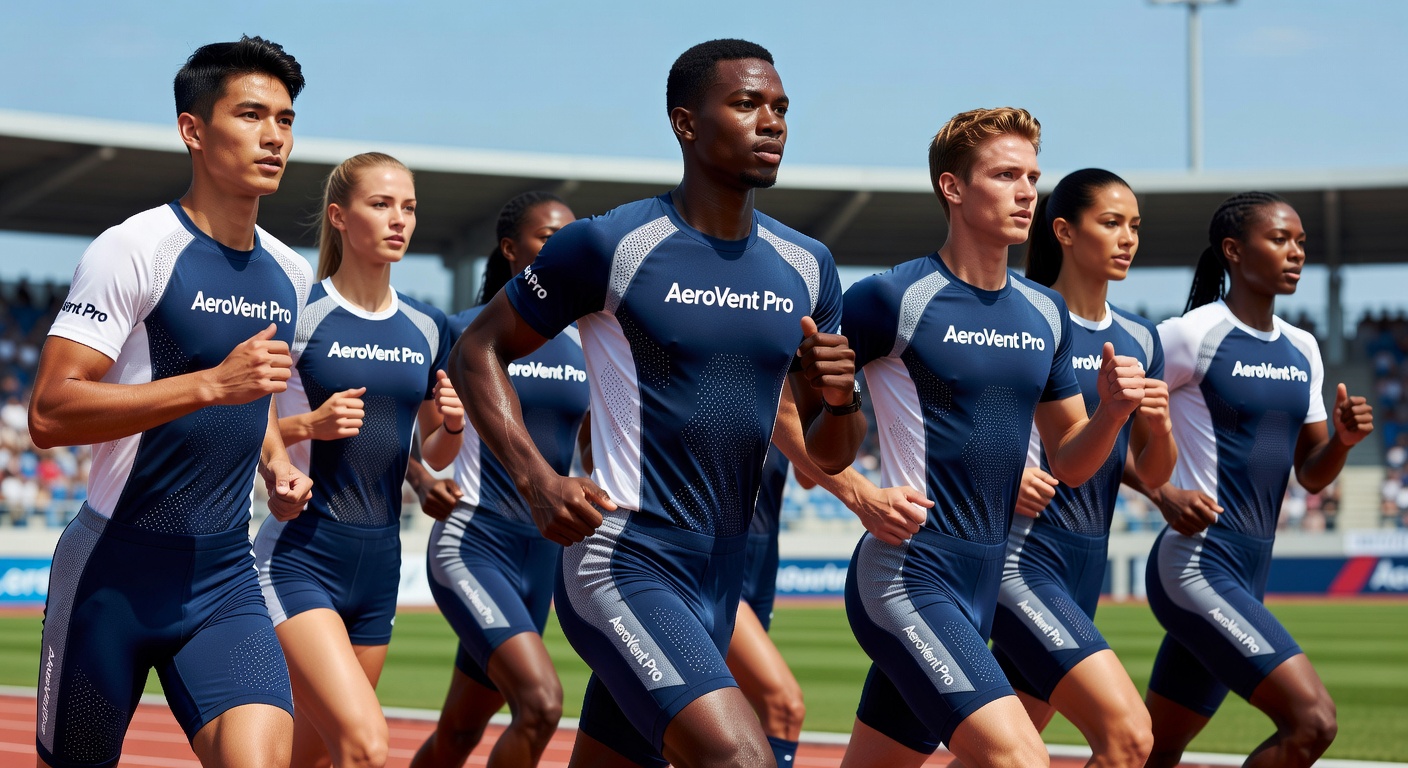
Strategic ventilation designs in team uniforms have become a key focus for manufacturers aiming to support athletes during extended play in outdoor conditions, where heat buildup and moisture accumulation often limit performance, and these systems work by directing airflow through targeted zones in the fabric to maintain lower body temperatures over time. Researchers note that such features integrate mesh inserts, perforated panels, and engineered channels that promote evaporative cooling without compromising the garment's durability or fit during dynamic movements.
Core Principles Behind Ventilation Technology
Teams in sports like soccer, field hockey, and trail running rely on uniforms that balance protection with breathability, and designers achieve this through layered constructions where outer shells feature laser-cut vents while inner linings use moisture-wicking yarns to transport sweat away from the skin. Data from physiological testing shows these elements can reduce skin temperature by several degrees during high-intensity intervals, allowing athletes to sustain effort longer before fatigue sets in from thermal stress. What's interesting is how placement matters, with vents concentrated along the back, underarms, and chest to align with natural sweat patterns and wind flow during forward motion.
Manufacturers draw on biomechanical mapping to position these openings, ensuring they remain effective even when players change direction or maintain crouched postures common in many field sports, and studies indicate that poorly placed vents can actually trap heat rather than release it. The reality is that modern fabrics combine nylon and polyester blends with elastane for stretch, yet incorporate enough open structures to permit air exchange rates that exceed those of traditional knits by measurable margins.
Materials Driving Airflow Efficiency
Advanced synthetics form the backbone of these uniforms, including three-dimensional spacer fabrics that create internal channels for air circulation while resisting compression from equipment like pads or harnesses, and such materials maintain their structure after repeated washes and intense use. Observers note that some designs incorporate phase-change additives within the yarns themselves, which absorb excess heat during peak activity and release it gradually as conditions cool. Research from the Australian Institute of Sport highlights how these combined approaches help athletes maintain hydration levels more effectively since less fluid loss occurs through excessive sweating.
But here's the thing: not all ventilation relies on holes alone, since bonded seams and ultrasonic welding allow continuous surfaces that still permit targeted permeability in high-heat zones. Athletes in professional leagues have adopted these options widely because the fabrics dry faster between shifts or quarters, reducing the weight penalty that comes with saturated clothing during long matches or races.
Performance Impacts on Endurance
Endurance gains appear most clearly in metrics like time to exhaustion and heart rate recovery, where ventilated kits correlate with lower cardiovascular strain during prolonged outdoor sessions under direct sun or high humidity. One study tracked soccer players across multiple games and found measurable extensions in high-speed running distances late in matches when they wore updated uniform designs compared with earlier non-ventilated versions. Figures reveal core body temperature rises more slowly, which delays the onset of muscle fatigue and decision-making errors that often accompany overheating.
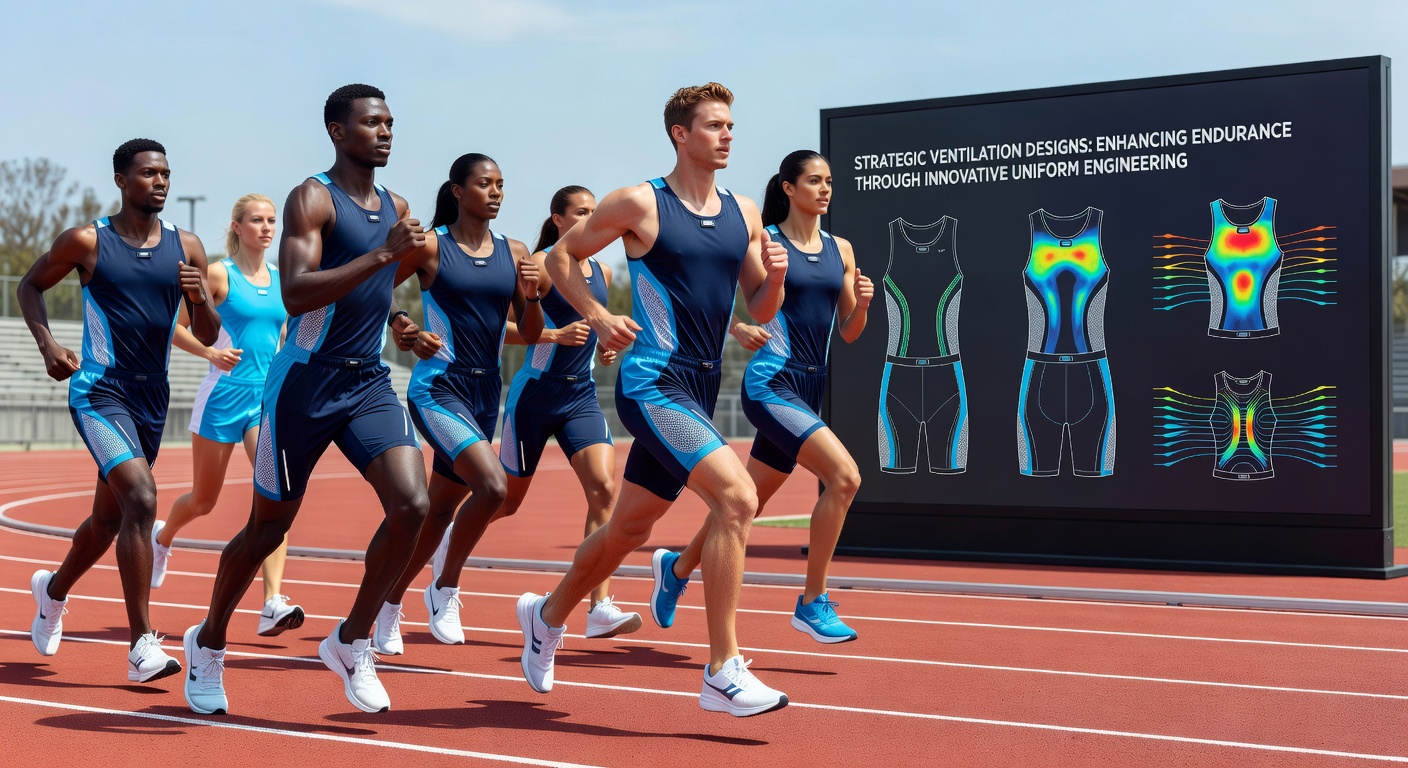
Coaches and support staff monitor these effects through wearable sensors that log skin temperature and sweat rate in real time, allowing adjustments to hydration strategies based on uniform performance data. Turns out the benefits compound when ventilation works alongside compression elements that aid circulation without blocking air paths, creating garments suited for variable weather on the same day.
Developments Observed by Mid-2026
By May 2026, several major outdoor sports organizations had integrated updated ventilation standards into their equipment guidelines following collaborative testing with textile research centers across North America and Europe, and these updates emphasized quantifiable airflow thresholds rather than subjective comfort claims. League-wide adoption accelerated after reports from international competitions demonstrated clearer performance edges for squads equipped with the latest panel configurations. Industry groups such as the World Federation of the Sporting Goods Industry compiled comparative data showing consistent reductions in heat-related performance drops across multiple climates.
Case Examples from Competitive Settings
Take one research team at a Canadian university that equipped a varsity rugby squad with prototypes featuring asymmetric vent mapping tailored to position-specific movement patterns, and follow-up analysis revealed improved recovery markers between halves compared with control groups. Similar trials in Australian rules football used full-body mapping to refine underarm and lower-back channels, resulting in documented extensions of total distance covered per player during summer training blocks. Those who've reviewed the raw sensor outputs note that the largest margins emerged during the final twenty minutes of play, when cumulative heat load typically peaks.
Integration With Other Uniform Features
Ventilation rarely stands alone since designers pair it with UV-protective coatings and antimicrobial treatments that preserve fabric integrity without sealing off the breathable zones, and this layering approach keeps athletes protected from environmental factors while supporting thermoregulation. Maintenance protocols matter here as well, with care instructions stressing air drying over high-heat cycles to prevent pore blockage in mesh sections over a season's use.
Conclusion
Strategic ventilation in team uniforms continues to evolve through iterative testing that connects fabric engineering directly to measurable endurance outcomes in outdoor environments, and ongoing refinements keep pace with athlete demands across diverse sports. Data from multiple sources confirms these designs deliver consistent physiological support without altering core gameplay elements. As testing methods grow more precise, uniform developers maintain focus on scalable solutions that benefit both elite and recreational participants alike.