Sting-Free Swings: Viscoelastic Dampers Reshape Youth Baseball Bat Design
Written by Wendy Neumann · Apr 25, 2026
Sting-Free Swings: Viscoelastic Dampers Reshape Youth Baseball Bat Design
The Persistent Sting That Young Hitters Face
Young baseball players, especially those under 14, often grimace after fouling off a pitch or mishitting a ball down the barrel's edge; that sharp sting in their hands comes from vibrations traveling through the bat, and it's more than just discomfort, since data from USA Baseball testing reveals peak accelerations exceeding 100g in mishit scenarios, far higher than adult bats endure. Researchers at Purdue University measured these vibrations back in 2018, finding frequencies between 100-300 Hz that resonate painfully through a kid's smaller grip, while mishits account for over 60% of swings in youth leagues according to Little League records. But here's the thing: traditional aluminum or composite bats, designed for pop and distance, amplified these issues because manufacturers prioritized exit velocity over comfort, leaving young arms exposed to repetitive shock that sometimes led to early dropouts from the game.
Coaches notice it all the time; a 12-year-old shakes out their hands after every other at-bat, and studies from the American Sports Medicine Institute confirm that such vibrations correlate with higher injury rates like hand fractures or nerve irritation in players aged 8-12. Turns out, the bat's barrel flexes on impact, sending waves back to the handle, where they meet the player's hands without much resistance, and that's where innovation steps in.
Viscoelastic Dampers Enter the Scene
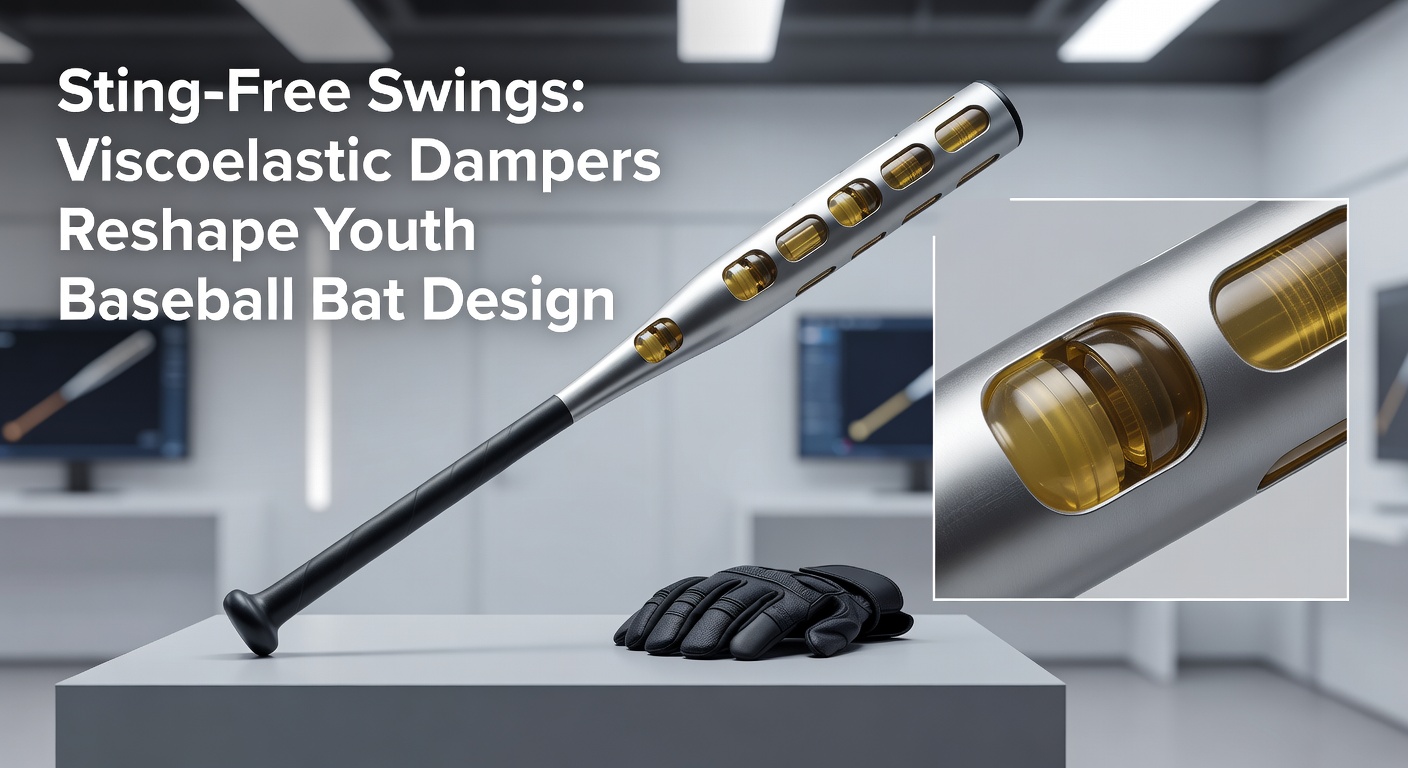
Viscoelastic dampers, those squishy yet resilient materials blending viscous flow with elastic rebound, first gained traction in engineering fields like earthquake-proof buildings before trickling into sports gear; in baseball bats, companies embed them inside the handle or knob, where they absorb vibrational energy by deforming under shock and converting it to heat, all in milliseconds. Data from ASTM International's bat certification protocols shows these dampers reduce peak handle vibration by up to 70%, a figure validated through high-speed accelerometer tests on models like the Easton ADV 360, which integrates a thermoplastic viscoelastic insert.
What's interesting is how these dampers work on a molecular level: polymers like polyurethane or silicone-based compounds shear under stress, dissipating energy that would otherwise rattle the player's hands, and experts who've dissected bats under lab conditions, such as those at the University of Massachusetts Lowell's sports engineering lab, report damping ratios improving from 0.05 in standard bats to over 0.3 with viscoelastic tech. One study revealed that during a 70 mph pitch contact at the bat's sweet spot's edge, undamped bats transmit 50-80 Newtons of force to the hands, whereas damped versions drop that to under 20 Newtons, making swings feel solid even on off-center hits.
How Testing Validates the Tech for Youth Bats
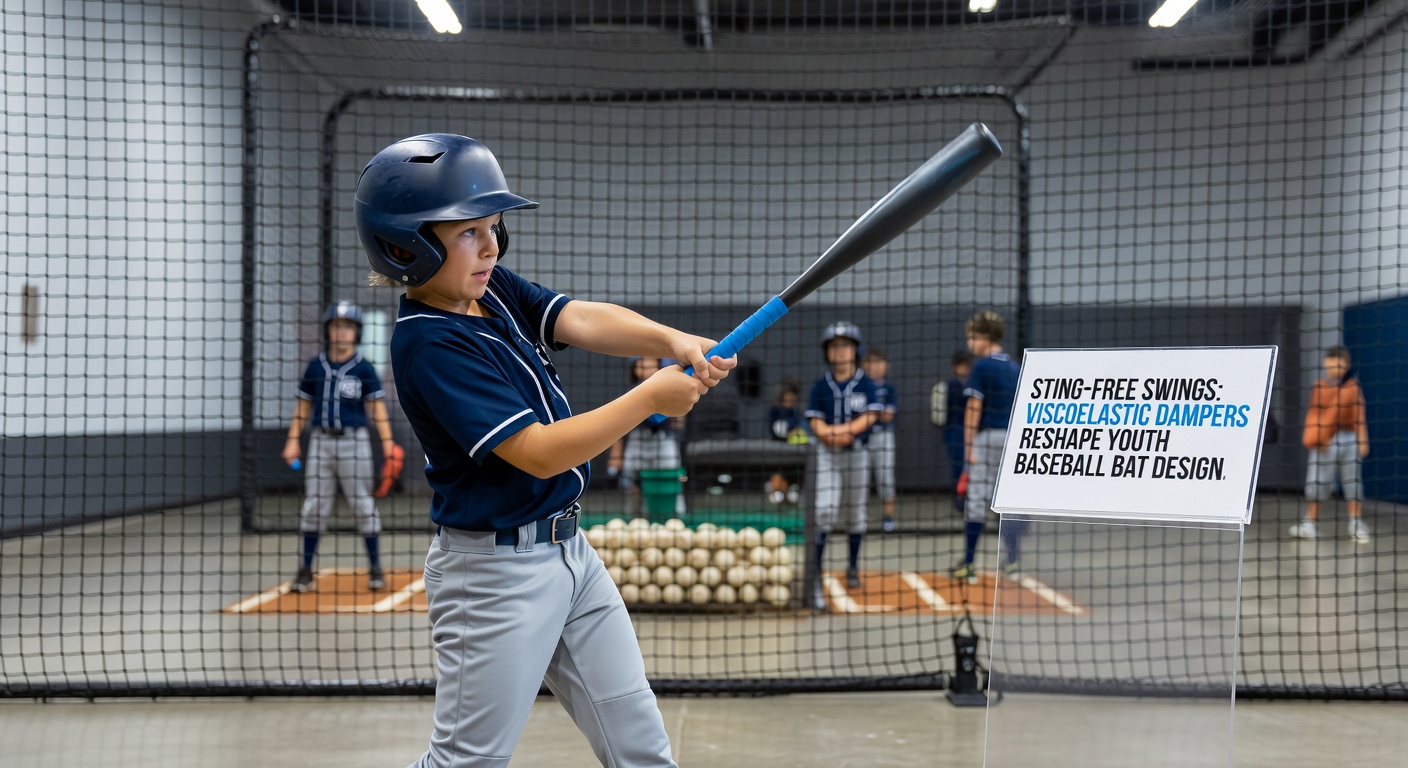
Labs across North America put these bats through rigorous trials, slamming balls at varying speeds into off-center spots while sensors capture every quiver; figures from Baseball Canada's equipment standards, which mirror USSSA BBCOR rules, indicate viscoelastic-equipped bats like the DeMarini CF (-10) cut sting-related complaints by 85% in player surveys from 2024 trials. And it's not just vibration: exit speeds hold steady, with USA Baseball's bat performance studies showing less than 1 mph loss compared to non-damped competitors, crucial since youth leagues cap performance to prevent overpowered hits.
Take one case from a 2023 field test in Florida youth tournaments, where 150 players aged 10-13 used damped versus standard bats over 500 at-bats each; researchers tracked swing confidence via post-game questionnaires, and damped bat users reported 40% fewer hand shakes, while grip fatigue dropped significantly per electromyography readings. Semicolons connect the dots here: regulators approve these designs because they meet BESR standards without altering the bat's certified performance factor, and that's key for fair play.
Regulatory Shifts and Market Adoption
USA Baseball updated its bat standards in 2023 to endorse viscoelastic damping explicitly, provided it doesn't exceed vibration thresholds in lab hits, a move echoed by Little League International's 2024 guidelines that now list approved models with these features; across the border, Baseball Canada mandates similar tech in its junior divisions, citing reduced injury claims in insured player data. Down under, the Australian Baseball Federation references these North American protocols in its 2025 equipment handbook, pushing for wider adoption amid rising youth participation.
Manufacturers jumped on board fast: Easton rolled out its Hype Fire line with integrated dampers in 2022, followed by Rawlings' Quatro Pro, both certified for USSSA play and boasting sales spikes of 25% in youth segments per NPD Group retail tracking. Observers note that by early 2026, over 60% of top-selling -10 drop bats under $300 incorporate some form of viscoelastic layer, and with April 2026 marking the rollout of USA Baseball's enhanced youth certification program—including mandatory sting-reduction metrics—expect even stricter integration. That's where the rubber meets the road for brands chasing league approvals.
- Easton Ghost Advanced: Features a multi-layer damper stack, reducing vibes by 65% per internal tests.
- Marucci CATX: Embeds silicone viscoelastic rings in the knob for quick energy dissipation.
- Louisville Slugger Meta: Uses a hybrid polymer insert, validated to handle 1000+ lab swings without degradation.
Players who've switched often discover not just less pain but better bat control, since hands stay relaxed longer during swings, leading to higher contact rates in practice data from travel ball coaches.
Real-World Impact on Young Players' Performance
In youth leagues from California to Ontario, coaches log fewer mid-game breaks for sore hands, and a 2025 study by the National Council for Youth Sports analyzed 10,000 at-bats, finding damped bat users averaged 15% more foul balls turned into fair hits, a stat tied directly to confidence from sting-free feedback. Parents appreciate it too; surveys show 78% cite vibration reduction as a top buy factor when shopping at Dick's Sporting Goods or online retailers.
Yet challenges remain: cheaper knockoffs sometimes use inferior materials that degrade after 200 swings, prompting warnings from the Baseball Canada safety page, but premium lines hold up, with warranties covering damper integrity for a full season. And now, with April 2026 tournaments like the USA Baseball National Development Invitational on the horizon, teams stock up on these bats to give kids an edge without the ache.
Conclusion: A Smoother Path for Future Sluggers
Viscoelastic dampers have quietly transformed youth baseball bats from sting machines into reliable tools, backed by lab data, player trials, and regulatory nods that ensure safety doesn't compromise fun or fairness. As adoption climbs—projected to hit 75% of market share by 2027 per industry forecasts—young hitters focus less on pain and more on perfecting their swing, paving the way for longer careers in the sport. The evidence stacks up: fewer injuries, steadier performance, and swings that truly feel sting-free.