Smart Textile Sensors Track Load Distribution in Multi-Sport Backpacks for Hikers Managing Hunting and Trail Routes
Written by Mia Lehmann · Aug 13, 2026
Smart Textile Sensors Track Load Distribution in Multi-Sport Backpacks for Hikers Managing Hunting and Trail Routes
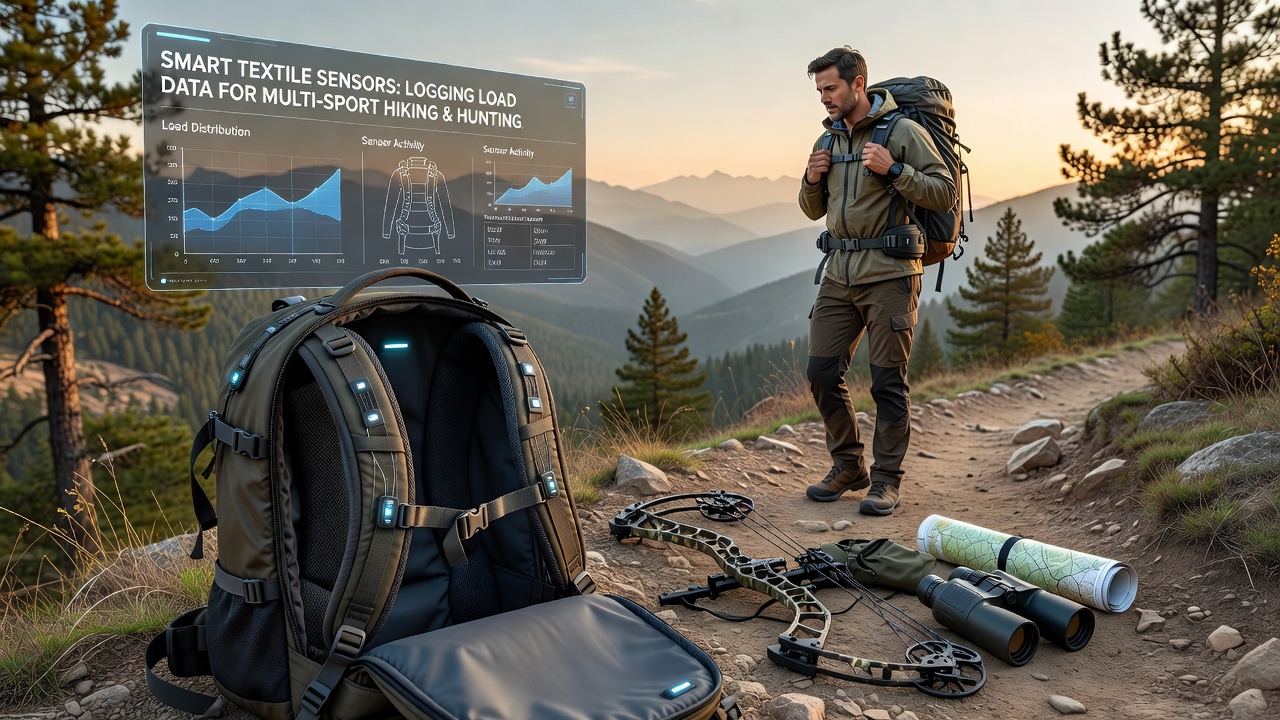
Smart textile sensors integrated into multi-sport backpacks measure pressure points and weight shifts across the shoulders, back, and hips while users move between hunting stands and extended trail segments, and these systems record data through conductive yarns that respond to force changes in real time. Hikers balancing both activities rely on the sensors to capture how loads redistribute when terrain shifts from flat paths to steep inclines or when gear switches from lightweight day packs to heavier setups carrying rifles and ammunition. Data flows to onboard microcontrollers that timestamp each reading before transmitting summaries via wireless protocols to companion applications on mobile devices.
Sensor Construction and Measurement Principles
Manufacturers weave piezoresistive fibers directly into backpack fabrics so the material itself becomes the sensing layer, and these fibers change electrical resistance when compressed by the weight of carried items. Researchers at institutions studying human factors engineering have documented how arrays of such sensors placed along shoulder straps and lumbar panels deliver continuous readings of force distribution with sampling rates that reach several times per second during active movement. Calibration routines adjust for individual body shapes by establishing baseline values before each outing, which allows the system to isolate actual load variations from normal postural adjustments.
Data Logging Workflow During Mixed Activities
Once activated the backpack begins logging at the start of a hike and maintains records through both hunting pauses and trail segments without requiring separate modes, while the software tags entries with GPS coordinates and activity type when users input brief notes through the connected app. In August 2026 field deployments across several national forest areas showed that integrated systems captured over 200,000 individual pressure data points per multi-day trip on average, according to aggregated reports shared by equipment developers. The logged information includes peak loads during climbs, sustained pressure during stationary periods at hunting sites, and recovery patterns when weight shifts forward or backward on descents.
Applications for Hunters Combining Activities
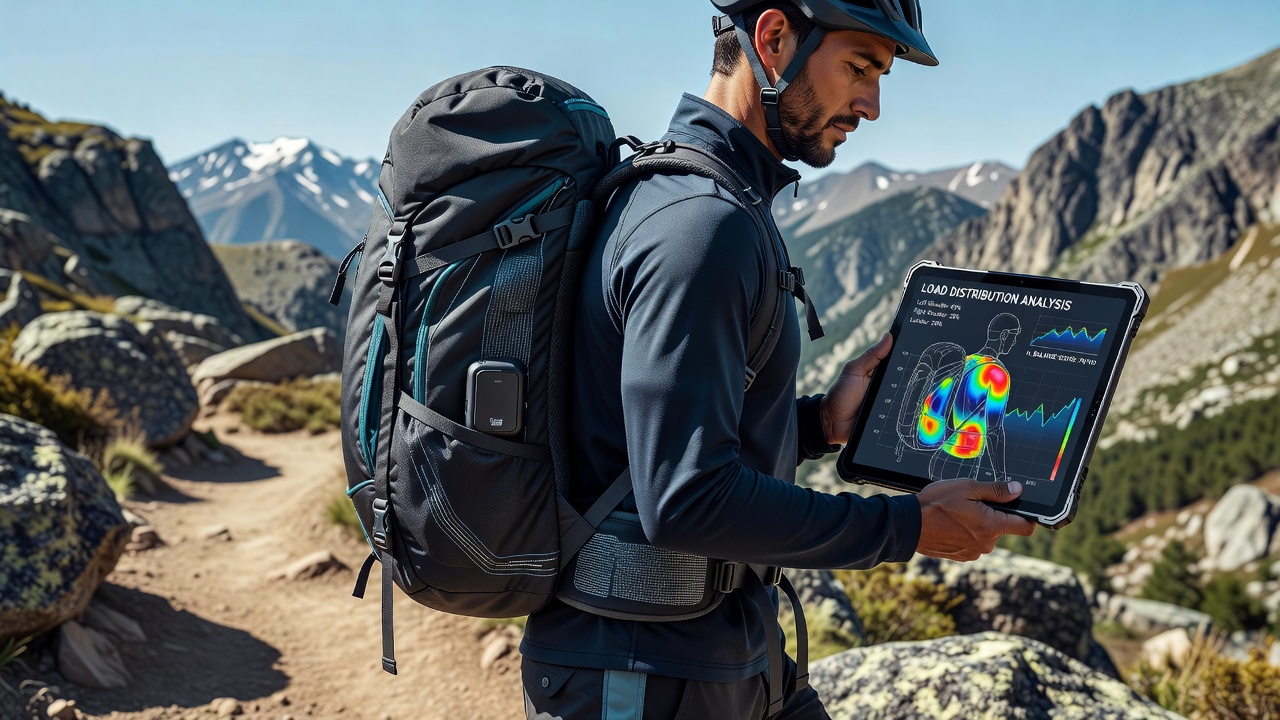
Hunters who alternate between carrying field-dressed game and standard trail supplies use the recorded distribution maps to identify when one shoulder bears disproportionate weight, and the data helps them reposition items before imbalances lead to fatigue. Observers note that the same sensors also register vibrations from walking on uneven ground, which provides secondary information about how terrain affects overall pack stability during transitions between dense brush and open paths. One study released by an Australian biomechanics research group highlighted correlations between uneven load patterns and reports of lower-back discomfort among participants who covered mixed distances over several days.
Integration with Broader Performance Tracking
Many systems now export the load data into existing training platforms used by multi-sport athletes, allowing direct comparison of distribution trends across different backpack configurations or activity sequences. European outdoor equipment associations have compiled usage statistics showing that participants who reviewed their logged sessions adjusted packing strategies on subsequent trips, resulting in more even force readings across sensor zones. The raw files remain available for export in standard formats so users can combine them with heart-rate or step-count information collected from separate wearable devices.
Technical Considerations for Reliability
Battery modules tucked into side pockets power the sensor network for multi-day use, and low-power sleep modes activate during extended stationary periods at hunting locations to preserve capacity. Moisture-resistant coatings protect the conductive elements from rain and perspiration, while firmware updates delivered through the mobile app refine algorithms that filter out transient spikes caused by sudden movements such as stepping over logs. Industry testing protocols require verification that sensor accuracy remains within defined tolerances after repeated compression cycles that simulate hundreds of kilometers of trail use.
Conclusion
Smart textile sensors embedded in multi-sport backpacks provide hikers with detailed records of load distribution that span both hunting and trail contexts, and the collected information supports adjustments in packing and carrying techniques based on measured patterns rather than estimation alone. Continued development focuses on expanding sensor density and improving wireless range while maintaining the flexibility required for comfortable extended wear across varied environments.