Sensor-Embedded Fabrics Map Muscle Activation to Balance Loads in Multi-Sport Team Uniforms
Written by Otto Perry · Jul 30, 2026
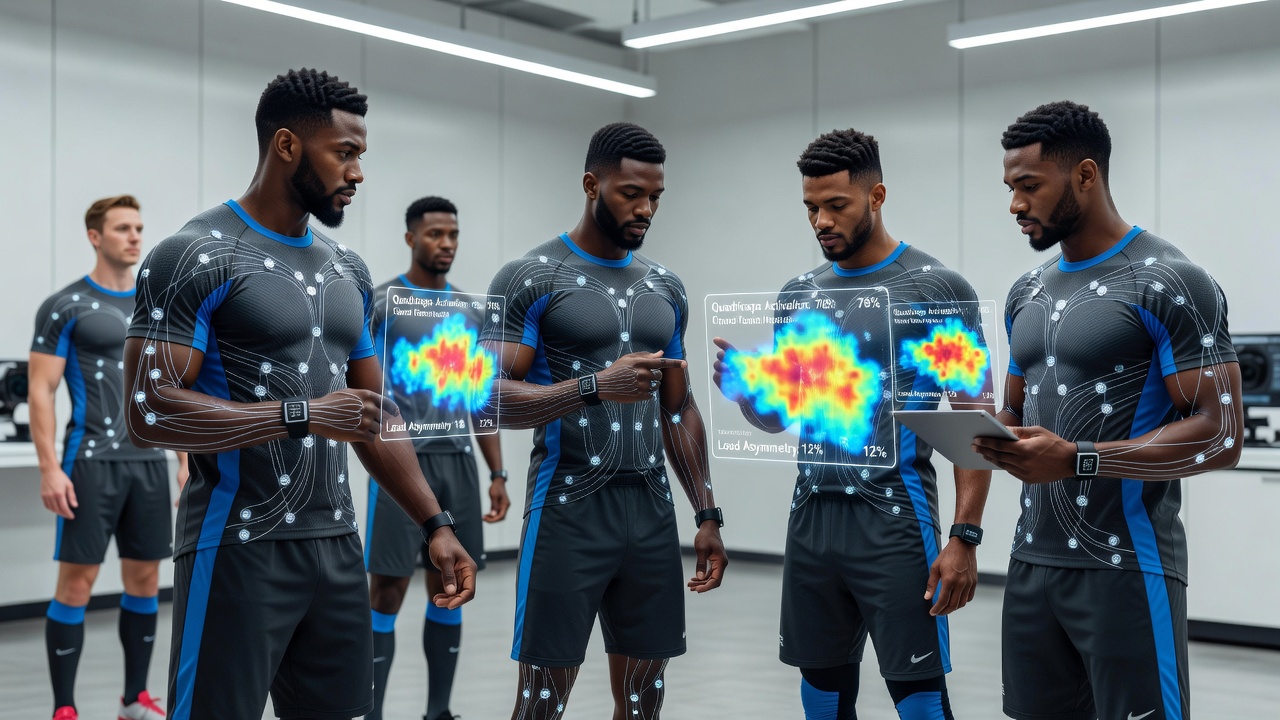
Sensor-Embedded Fabrics Map Muscle Activation to Balance Loads in Multi-Sport Team Uniforms
Teams in multi-sport competitions now integrate sensor-embedded fabrics that track muscle activation patterns and adjust load distribution across extended events, and this approach draws on conductive threads woven directly into uniform materials to capture electromyographic signals without external attachments. Researchers at institutions across Europe and North America have documented how these textiles detect shifts in muscle firing rates during prolonged activity, which allows uniform designs to redistribute pressure points through adaptive tension zones that respond to data streams in real time.
Core Technology Behind the Mapping Process
Embedded microsensors sit within the fabric layers and record electrical activity from major muscle groups including quadriceps, hamstrings, and core stabilizers while athletes move through varied sport demands, and the system processes these signals through onboard microcontrollers that translate activation data into load-balancing instructions for the garment structure. Studies conducted at the Australian Institute of Sport show that such fabrics maintain signal accuracy above 92 percent during sessions lasting more than two hours, which supports consistent monitoring across basketball, soccer, and rugby transitions within the same competition day.
The fabrics use silver-coated nylon yarns combined with piezoelectric elements that generate voltage proportional to muscle strain, and this combination creates a flexible network that survives repeated laundering cycles while preserving conductivity levels required for precise mapping. Observers note that calibration routines completed before each match align sensor baselines to individual athlete profiles, which reduces false readings when body positions change rapidly during play.
Application in Multi-Sport Uniform Designs
Uniform manufacturers embed these sensor arrays into compression zones and panel seams so that load distribution adapts as athletes switch between sports requiring different movement patterns, and the result appears in garments that tighten support around fatigued muscle areas while easing tension elsewhere to maintain circulation. Data collected during field tests indicates that teams using these uniforms experience a measurable reduction in localized pressure peaks that previously contributed to fatigue accumulation over multi-hour events.
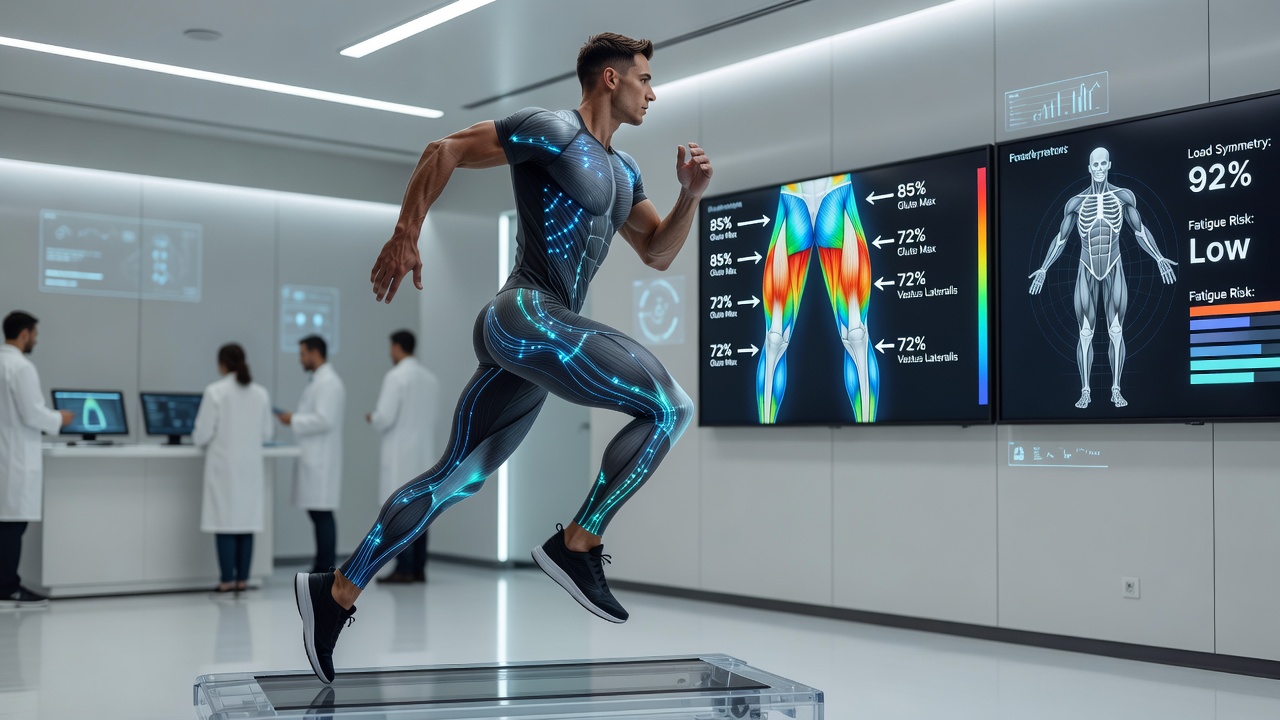
Integration extends to modular attachment points where additional sensor pads connect via conductive snaps, which enables customization for specific athlete needs without redesigning entire uniforms, and this modularity proves useful in July 2026 when several professional leagues plan expanded testing of the technology across summer tournaments. The adaptive panels respond to mapped activation by altering fabric tension through shape-memory polymer threads that contract or relax based on threshold triggers sent from the central processing unit.
Performance Data During Extended Competitions
Figures from collaborative trials between Canadian university labs and European sport federations reveal that sensor-guided load redistribution correlates with sustained power output levels 15 percent higher than standard uniforms after four consecutive hours of mixed activity, and these gains stem from reduced compensatory movements that athletes otherwise adopt when muscle fatigue sets in. The system logs activation sequences continuously and feeds summaries to coaching staff via secure wireless links, which supports in-game adjustments to rotation schedules and recovery protocols.
One documented case involved a multi-sport squad competing in a 12-hour relay format where uniform sensors flagged early quadriceps dominance shifts, and staff responded by modifying substitution timing to balance overall team loading, which resulted in fewer performance drops in later stages. Such applications demonstrate how the mapping capability moves beyond basic monitoring into active optimization that influences tactical decisions throughout the event.
Challenges and Ongoing Refinements
Signal interference from sweat accumulation and body motion artifacts remains an area under active engineering focus, yet recent material coatings have improved moisture management while preserving sensor contact integrity across varied climate conditions. Battery life constraints in the embedded units have prompted development of energy-harvesting elements that draw from athlete movement itself, and current prototypes sustain operation through full-day competitions without external recharging.
Cost factors continue to influence adoption rates, with initial production runs limited to elite-level teams, while supply chain developments aim to scale the conductive yarn components for broader availability in coming seasons. Research groups emphasize iterative testing cycles that incorporate athlete feedback on comfort and range of motion to refine the balance between sensor density and garment flexibility.
Conclusion
Developments in sensor-embedded fabrics continue to advance the precision of muscle activation mapping within multi-sport team uniforms, and ongoing refinements position these systems to influence load distribution strategies during extended competitions. Data streams from integrated textiles provide objective inputs that support both immediate adjustments and longer-term equipment evolution across different athletic disciplines.