Reflective Thread Patterns in Multi-Sport Jerseys Improving Nighttime Visibility for Trail Runners and Cyclists During Seasonal Transitions
Written by Mia Lehmann · Jul 13, 2026
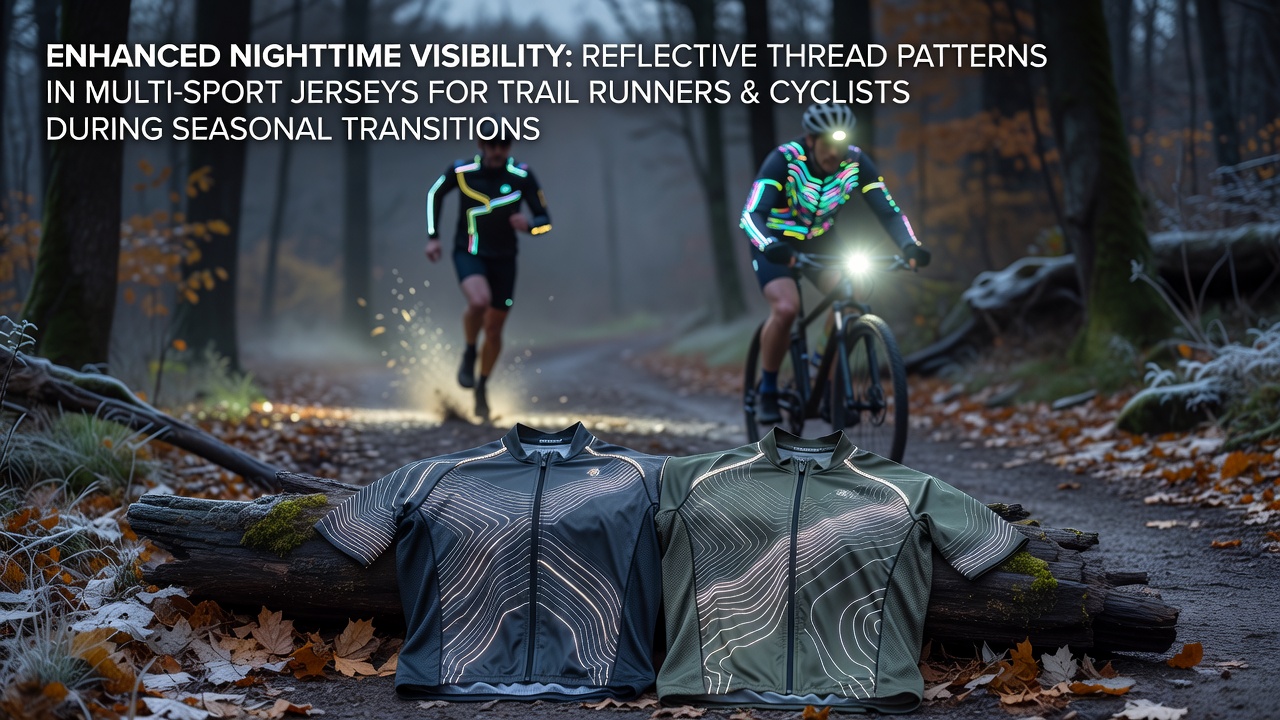
Reflective Thread Patterns in Multi-Sport Jerseys Improving Nighttime Visibility for Trail Runners and Cyclists During Seasonal Transitions
Reflective thread patterns integrated into multi-sport jerseys use microscopic glass beads or prismatic materials woven directly into fabric yarns, and these elements redirect light from vehicle headlights back toward the source to increase detection range for trail runners and cyclists. Seasonal transitions bring shorter daylight hours in many regions, so apparel manufacturers have incorporated such patterns into garments designed for activities that extend into evening periods.
How Reflective Threads Function in Jersey Construction
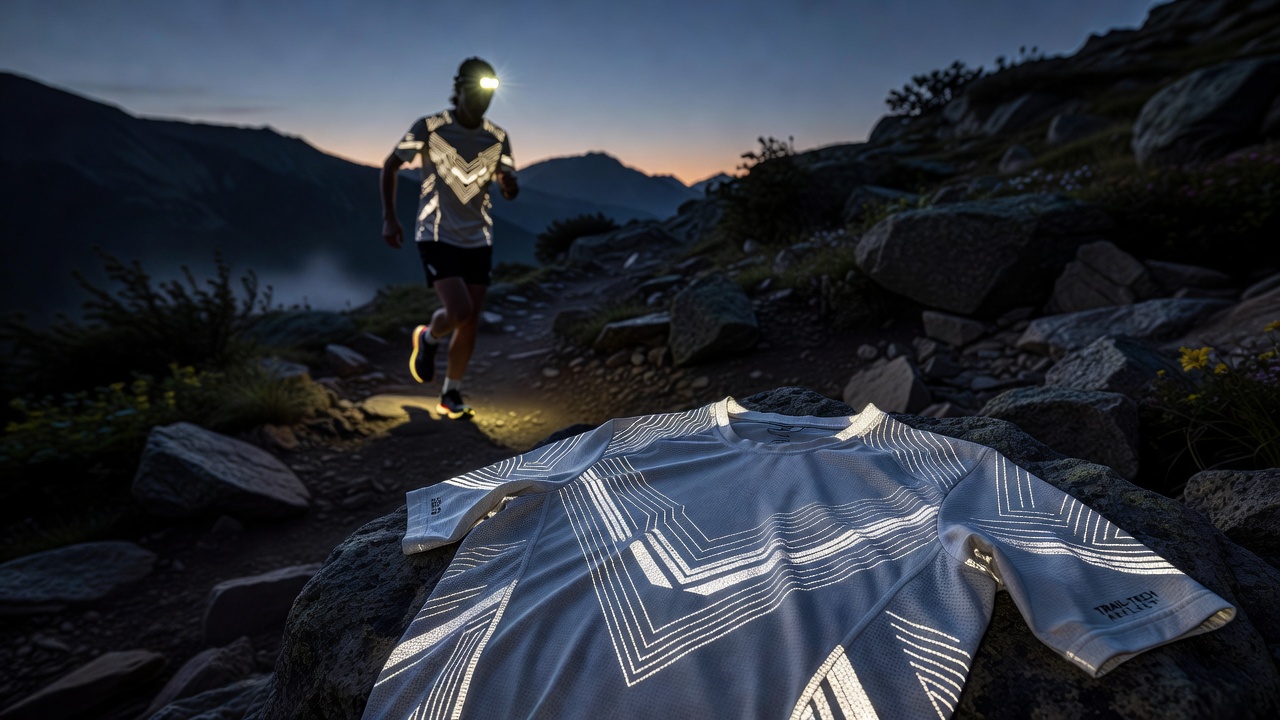
Manufacturers embed reflective elements during the knitting process rather than applying them as surface prints, which allows the threads to maintain flexibility while preserving retroreflective properties across multiple wash cycles. The patterns often consist of segmented lines, chevrons, or grid formations positioned on sleeves, torso sides, and lower hems where motion creates dynamic light reflection during running strides or pedaling motions.
Data from visibility studies indicate that properly placed reflective elements can extend detection distances by factors of three to five times compared with non-reflective clothing under headlight illumination, and researchers have measured these improvements across various fabric weights used in multi-sport designs.
Applications for Trail Runners and Cyclists
Trail runners encounter uneven terrain and limited sightlines at dusk, so jerseys with reflective threading provide consistent visibility regardless of body position changes during climbs or descents. Cyclists benefit from the same patterns because the continuous leg motion activates the reflective surfaces in rhythmic flashes that draw attention from approaching traffic on shared paths or roads.
Designers coordinate thread placement with ergonomic seam mapping so that key reflective zones remain visible when athletes adopt forward-leaning postures common in both sports. This integration supports use across seasonal shifts when temperatures drop and users layer jerseys over base garments without obscuring the reflective areas.
Seasonal Transition Considerations and Material Performance
During periods when daylight decreases, such as the weeks leading into winter schedules, athletes extend training windows into low-light conditions, and reflective thread systems address visibility gaps without adding bulk or restricting moisture management. Fabric blends that include the threads retain breathability ratings comparable to standard performance jerseys, according to laboratory tests conducted by equipment certification bodies.
July 2026 marks a point when several manufacturers plan to release updated multi-sport collections timed for autumn use, incorporating refined thread densities tested for durability under repeated abrasion from pack straps and trail contact. These updates build on earlier field data collected from athletes in variable weather environments.
Research Findings on Detection and Safety Metrics
Studies compiled by the National Highway Traffic Safety Administration document measurable gains in recognition time when reflective materials appear on moving targets, and similar patterns appear in multi-sport apparel lines. Observers note that grid-style arrangements outperform isolated strips because they create larger effective surface areas without increasing total thread volume.
Additional analysis from Transport Canada research programs shows that cyclists using upper-body reflective elements experience earlier detection by drivers in simulated low-light scenarios, and the same principles apply to trail runners sharing access roads with vehicles during early morning or evening sessions. These findings guide pattern scaling across different jersey sizes to maintain proportional coverage.
Design Variations Across Product Lines
Some manufacturers employ continuous reflective yarns that form subtle all-over textures, while others concentrate threads into high-contrast zones that activate only under direct illumination. Both approaches appear in jerseys marketed for combined trail running and cycling use, allowing users to select based on activity frequency and route lighting conditions.
Thread color options include silver, white, and safety yellow bases that interact differently with LED versus halogen headlights, and testing protocols evaluate performance across these light sources to ensure consistent results during mixed-use periods. The patterns integrate with existing ventilation channels so airflow remains uninterrupted.
Conclusion
Reflective thread patterns represent a targeted material solution that addresses visibility requirements for trail runners and cyclists navigating seasonal light changes. Continued refinement of placement, density, and integration methods draws from ongoing safety data and supports broader adoption in multi-sport apparel categories.