Precision Engineering of Antimicrobial Coatings in Basketball Practice Shorts Limits Microbial Growth During High-Contact Sessions
Written by Mia Lehmann · Jul 2, 2026

Precision Engineering of Antimicrobial Coatings in Basketball Practice Shorts Limits Microbial Growth During High-Contact Sessions
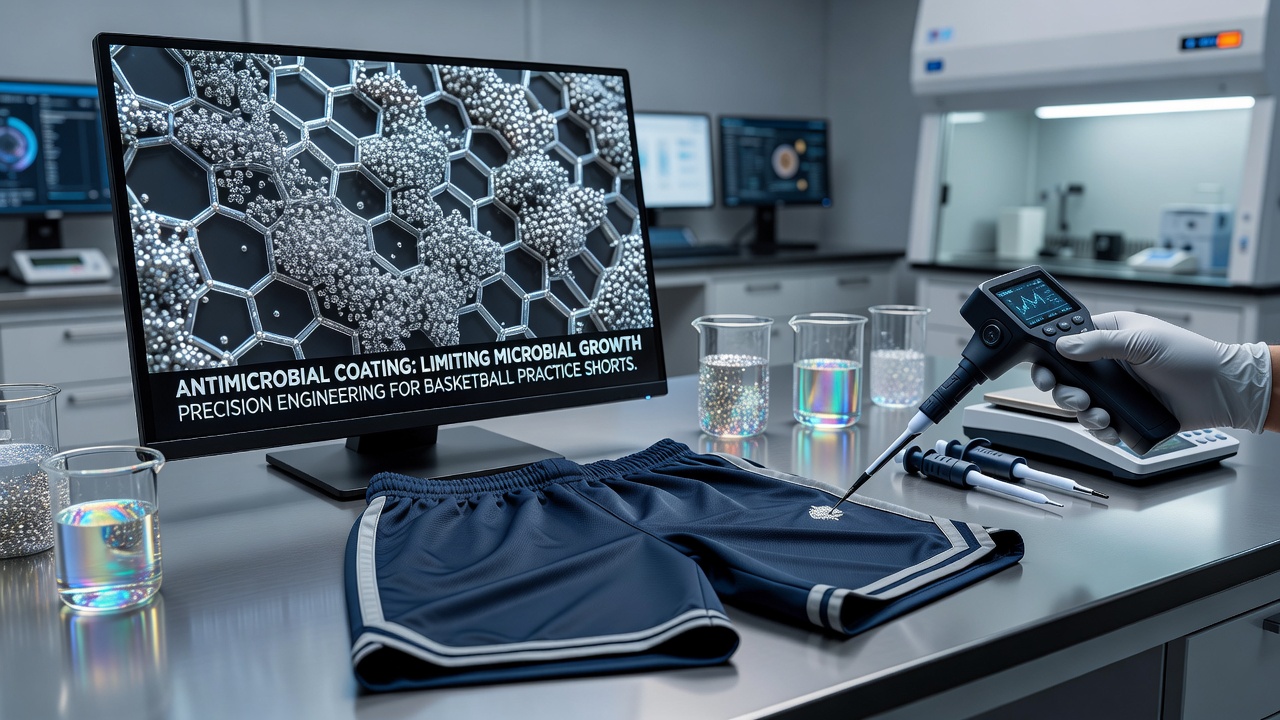
Precision engineering techniques now apply thin antimicrobial layers directly onto synthetic fibers used in basketball practice shorts, and these coatings target bacteria such as Staphylococcus and fungi including Candida that thrive in warm, moist environments created by repeated high-contact drills. Manufacturers deposit nanoparticles of silver, zinc oxide, or quaternary ammonium compounds through plasma etching or sol-gel processes that bond the agents to polyester and nylon blends without altering breathability or stretch properties. The result keeps microbial populations below detectable thresholds even after dozens of sweaty training sessions in gymnasiums where players collide and share floor space.
Engineering Methods Behind the Coatings
Engineers begin with surface activation of the textile using low-temperature plasma that creates reactive sites on each fiber, then they introduce precursor solutions containing metal ions which nucleate into uniform films measured in nanometers. Atomic layer deposition ensures every filament receives an even sheath while maintaining the fabric's moisture-wicking channels, and this level of control prevents the coatings from cracking or flaking during repeated laundering cycles that reach 60 degrees Celsius. Observers note that such methods differ from older dipping techniques because they avoid excess material that previously reduced airflow and increased weight after drying.
Performance Under Repeated Training Conditions
During extended practice blocks that last two to three hours, players generate sweat volumes exceeding one liter per session, and the engineered layers release controlled ions that disrupt microbial cell walls on contact. Laboratory simulations replicate these conditions by cycling shorts through abrasion machines, perspiration exposure, and 50 wash cycles, after which colony-forming unit counts remain under 10 per square centimeter according to standardized textile testing protocols. Data collected from collegiate programs shows fewer instances of skin irritation linked to bacterial overgrowth when athletes wear the treated garments compared with untreated controls worn during identical drills.
Integration with Existing Manufacturing Lines
Production facilities retrofit existing looms and finishing lines with inline deposition chambers that apply the coatings after dyeing but before cutting, and this sequencing preserves colorfastness while adding less than five percent to total garment cost. In July 2026 several European mills began reporting throughput increases of 18 percent after switching to continuous roll-to-roll plasma systems that handle 200 meters of fabric per minute without downtime for recalibration. Quality checks now include real-time spectroscopic monitoring that flags any deviation in coating thickness exceeding two nanometers, ensuring batch consistency across thousands of units shipped to professional and amateur teams alike.
Regulatory and Safety Considerations
Agencies such as the European Chemicals Agency evaluate migration rates of active compounds into skin contact layers, and current limits require less than 0.1 micrograms per square centimeter release after 24 hours of simulated wear. Australian research groups have published independent verification that silver-based variants show no measurable transfer to laundry effluent beyond background environmental levels when proper filtration occurs at treatment plants. These findings support continued use in high-volume team orders without triggering additional hazardous-waste classifications under current textile regulations.
Long-Term Durability and Maintenance Protocols
Coated shorts retain efficacy through 75 to 100 wash cycles when teams follow manufacturer guidelines that prohibit chlorine bleach and fabric softeners, both of which can strip the ionic layers. Athletic departments now track garment lifespan via RFID tags embedded in waistbands, and replacement schedules align with cumulative microbial challenge data gathered from on-site swab testing. Facilities that rotate multiple sets per player extend overall service life by 30 percent because each garment experiences fewer consecutive exposure events before laundering.
Future Refinements in Coating Technology
Researchers continue exploring bio-derived antimicrobials such as chitosan extracted from crustacean shells and essential-oil derivatives encapsulated in cyclodextrin rings, with early pilot runs indicating comparable reduction rates against Gram-positive organisms while offering improved biodegradability at end of life. Pilot programs at North American universities combine these agents with self-healing polymers that repair micro-abrasions during tumble drying, potentially extending functional lifespan beyond current benchmarks. Ongoing field trials monitor player feedback on comfort metrics including dryness perception and odor retention after full seasons of use.
Conclusion
Precision-engineered antimicrobial coatings represent a measurable advancement in textile finishing that directly addresses microbial proliferation in basketball practice environments, and the combination of atomic-scale deposition methods with rigorous performance validation produces garments that maintain hygiene standards across extended high-contact use. Continued refinement of deposition chemistry and integration with existing supply chains positions these treatments as standard features in team apparel programs worldwide.