Piezoelectric Threads Power Multi-Sport Jerseys Through Athlete Motion
Written by Greta Peters · Aug 24, 2026
Piezoelectric Threads Power Multi-Sport Jerseys Through Athlete Motion
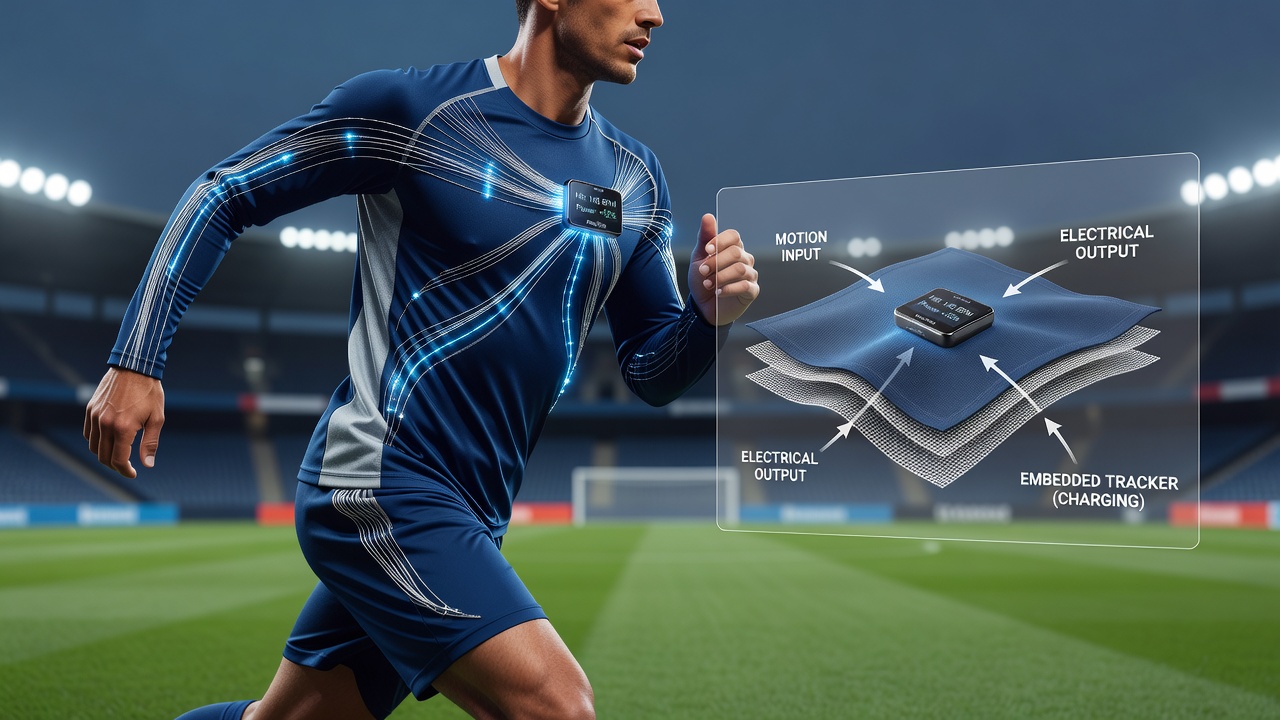
Engineers have integrated piezoelectric threads directly into jersey fabrics so that routine player movements generate electrical charge for onboard sensors and data loggers in basketball, soccer, and baseball uniforms alike. These threads exploit the piezoelectric effect where mechanical stress from running, jumping, and twisting produces voltage that charges small capacitors connected to performance trackers. Research from materials laboratories shows conversion efficiencies reaching 15 to 20 percent under typical athletic loads, which allows continuous operation of heart-rate, acceleration, and GPS modules without separate battery swaps during extended matches.
Material Composition and Energy Conversion Process
Piezoelectric threads combine polyvinylidene fluoride fibers with conductive carbon nanotubes that form a flexible core-sheath structure capable of withstanding repeated wash cycles and high-impact collisions. When fabric stretches during a sprint or lateral cut, the crystalline domains within the polymer align and release electrons that flow through embedded micro-wiring to a central power management chip. Data from prototype tests conducted at North American and European research facilities indicate that a single jersey can harvest between 50 and 120 milliwatts during a 90-minute soccer match, enough to keep low-power Bluetooth trackers active for the full duration plus post-game analysis. Observers note that the same threads also function as strain sensors, supplying additional biomechanical data while they generate power.
Integration Across Multiple Sports
Designers have adapted the same base fabric platform for jerseys used in football, basketball, and baseball by adjusting thread density and weave patterns to match each sport's movement profile. In football, vertical and lateral accelerations dominate so engineers increase thread count along the torso and shoulders; basketball uniforms receive denser weaving around the arms where shooting and rebounding create frequent tension cycles. Baseball catchers and infielders benefit from threads concentrated near the lower back and thighs because those regions experience high torque during throws and slides. A 2025 field trial across collegiate programs in the United States and Australia demonstrated that the embedded trackers maintained 98 percent uptime when powered solely by motion harvesting, eliminating the need for mid-game charging stations.
Performance Data and Sensor Capabilities
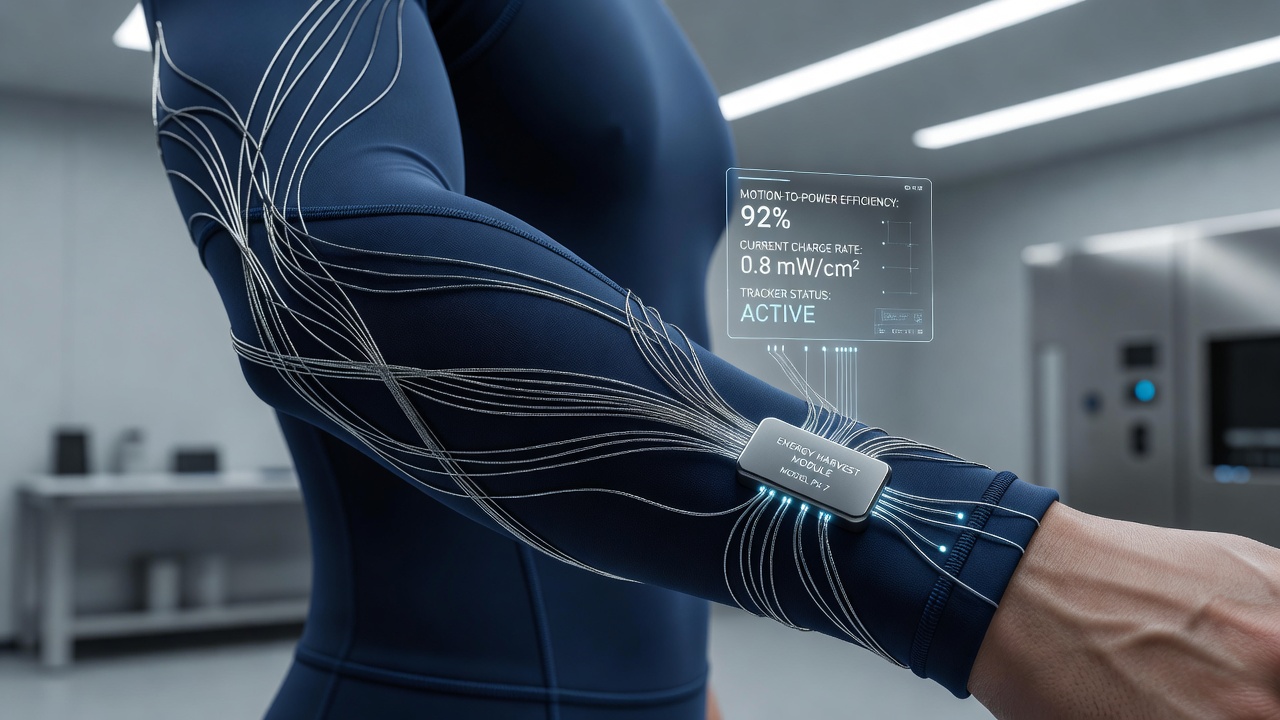
Embedded trackers record acceleration, rotational velocity, and heart-rate variability at 100 Hz sampling rates while drawing power from the piezoelectric array. Because the energy supply scales with activity intensity, high-motion periods automatically increase available charge, which matches data-logging demands during intense play. Figures released by university sports engineering groups reveal that average daily harvested energy across a full training week exceeds 2.8 watt-hours per athlete, sufficient for cloud-upload sessions and firmware updates without external power sources. The system also logs cumulative mechanical stress on the fabric itself, giving equipment managers objective metrics for jersey replacement schedules.
Developments Expected by August 2026
Manufacturers plan to introduce commercial versions of the technology ahead of the 2026 season, with production lines already scaling in facilities located in both North America and the European Union. Pilot programs scheduled for August 2026 will equip select professional teams with jerseys that combine piezoelectric threads, phase-change cooling yarns, and modular sensor pockets in a single garment. Regulatory bodies in Canada and the United Kingdom have begun drafting safety and electromagnetic compatibility guidelines to cover these self-powered wearables, while academic consortia continue to publish open-source calibration protocols for the power-management firmware. Those protocols allow coaches to adjust sampling rates based on real-time energy availability rather than fixed battery capacity.
Durability Testing and Maintenance Protocols
Independent laboratories subject sample jerseys to 150 wash cycles at 60 degrees Celsius followed by abrasion and impact testing that simulates game conditions. Retention of piezoelectric output remains above 85 percent after these accelerated aging protocols, according to reports issued by materials testing institutes in Germany and Japan. Maintenance crews receive guidance on inspecting thread continuity with simple handheld meters and replacing individual sensor modules without discarding the entire garment. This modular approach reduces long-term equipment costs and aligns with emerging sustainability standards for sports apparel across multiple leagues.
Conclusion
Piezoelectric threads embedded in multi-sport jerseys represent a practical method for converting routine athletic motion into usable electrical energy that sustains performance trackers without external charging. Data collected through 2025 and early 2026 trials confirm consistent power delivery across basketball, soccer, and baseball environments, while durability results support repeated use under professional workloads. As production scales and regulatory frameworks finalize, teams gain access to garments that supply both biomechanical feedback and self-sustaining power in a single integrated package.