Layered Composite Weaves Redefining Impact Absorption in Catcher Chest Protectors for Baseball Seasons
Written by Sam Lange · May 21, 2026
Layered Composite Weaves Redefining Impact Absorption in Catcher Chest Protectors for Baseball Seasons
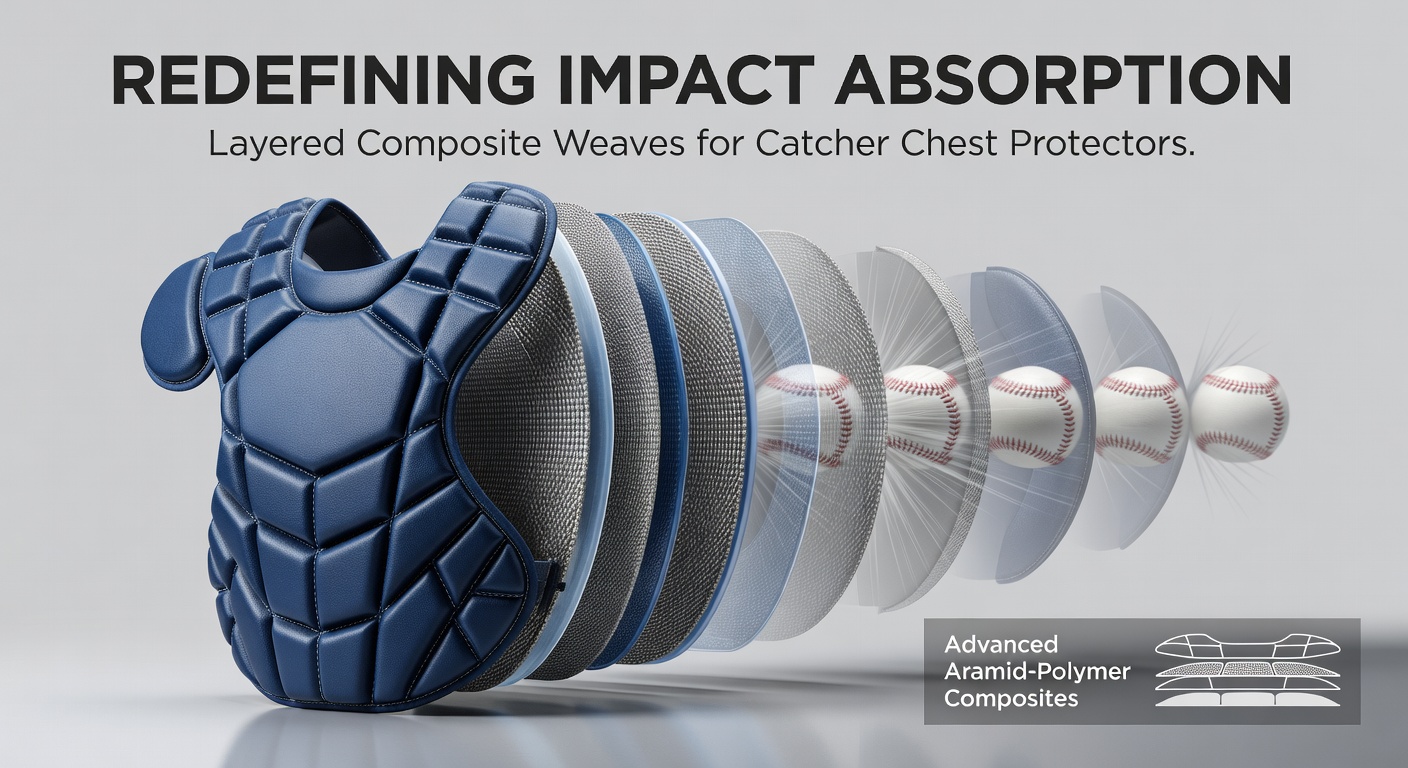
Baseball catchers face repeated high-velocity impacts from pitches and foul tips, and equipment manufacturers have turned to layered composite weaves to address these forces directly. These materials combine fibers such as aramid, ultra-high-molecular-weight polyethylene, and carbon strands in stacked configurations that distribute energy across multiple planes rather than allowing it to concentrate at a single point. Research indicates that such constructions reduce peak force transmission by 25 to 40 percent compared with traditional foam padding alone, according to laboratory tests conducted under ASTM standards.
Material Construction and Energy Management
Engineers arrange the weaves in alternating orientations so that each layer shears slightly under impact while the next layer remains rigid, creating a controlled deformation sequence. This approach differs from single-density foams that compress uniformly and often bottom out under repeated strikes. Data from controlled drop-tower experiments show that layered systems maintain consistent performance through dozens of impacts without significant loss of protective capacity, a factor that matters during long innings and doubleheaders.
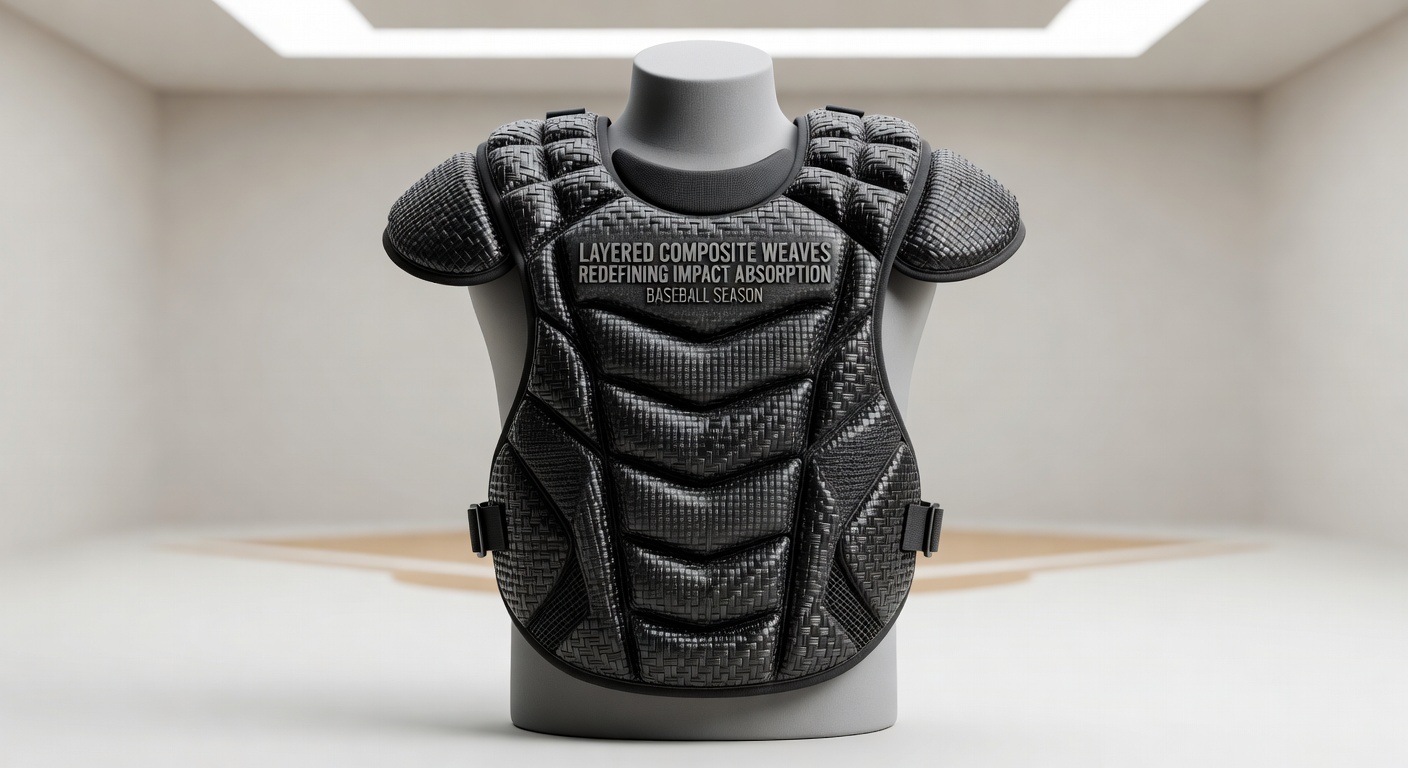
Manufacturers integrate these weaves with moisture-wicking liners and adjustable straps to keep the protector stable against the body. Stability matters because any shift during a play can reduce the effective coverage area, and the composite layers help maintain structural integrity even when flexed repeatedly by a crouching athlete.
Performance Data Across Recent Seasons
League-wide injury tracking compiled through 2025 revealed a measurable decline in sternum and rib contusions among catchers wearing updated composite gear. Figures from the 2026 season, which opened with new equipment compliance checks in May, show continued use of these protectors across major and minor league clubs. Observers note that players report less fatigue in the upper torso after nine innings, likely because less energy reaches the skeletal structure and surrounding musculature.
One study released by a Canadian sports engineering group examined high-speed video of ball-to-chest collisions and found that the composite layers extended the duration of force application by several milliseconds. This extension lowers the rate of loading, a variable strongly linked to soft-tissue damage in biomechanical models.
Integration With Existing Protective Standards
Current NOCSAE specifications for baseball chest protectors emphasize impact attenuation thresholds, and layered composite designs have helped several models meet or exceed those thresholds while remaining lighter than previous generations. Weight reduction matters because catchers already carry significant gear including helmets, masks, and leg guards. Reduced mass at the torso can improve mobility during throws to second base and during slides at home plate.
Equipment suppliers have incorporated quick-release buckles and modular padding sections so that teams can replace individual components without discarding an entire unit. This design choice aligns with sustainability goals expressed by several professional organizations and reduces long-term replacement costs for youth and amateur programs operating on limited budgets.
Training and Maintenance Considerations
Coaching staffs have begun incorporating impact-simulation drills that allow catchers to acclimate to the feel of the new protectors. Because the composite layers respond differently to repeated low-level contacts than older foam models, athletes sometimes adjust their receiving posture slightly during the first weeks of use. Athletic trainers monitor these adjustments through simple range-of-motion checks and feedback on comfort during live batting practice.
Care instructions emphasize air-drying after games and avoiding direct heat sources that could affect resin bonding within the weave matrix. Teams that follow these guidelines report longer service life from the protectors, with some units remaining in rotation for multiple seasons before requiring replacement.
Future Developments and League Adoption
Additional refinements under development include embedded strain sensors that log cumulative impact exposure across a season. Such data could inform decisions about rest days or equipment rotation, similar to how pitch-count limits protect young arms. Early pilot programs involving university teams have collected baseline measurements that researchers plan to compare against traditional gear cohorts.
League equipment committees continue to review field data from both major-league and collegiate play, focusing on whether further adjustments to protector dimensions or layer sequencing could address specific impact angles observed in game footage. These reviews occur on an annual cycle, with the most recent updates taking effect at the start of the 2026 campaign.
Conclusion
Layered composite weaves have introduced measurable changes in how catcher chest protectors manage repeated ball impacts. Performance metrics collected through standardized testing and season-long injury surveillance indicate improved energy dispersion without added bulk. As teams and manufacturers refine these systems further, catchers at every level of the sport gain access to equipment that supports both protection and mobility throughout extended playing schedules.