Hunters Go Scent-Free: Activated Carbon Layers That Neutralize Odors in Modern Apparel
Written by Otto Perry · Apr 23, 2026
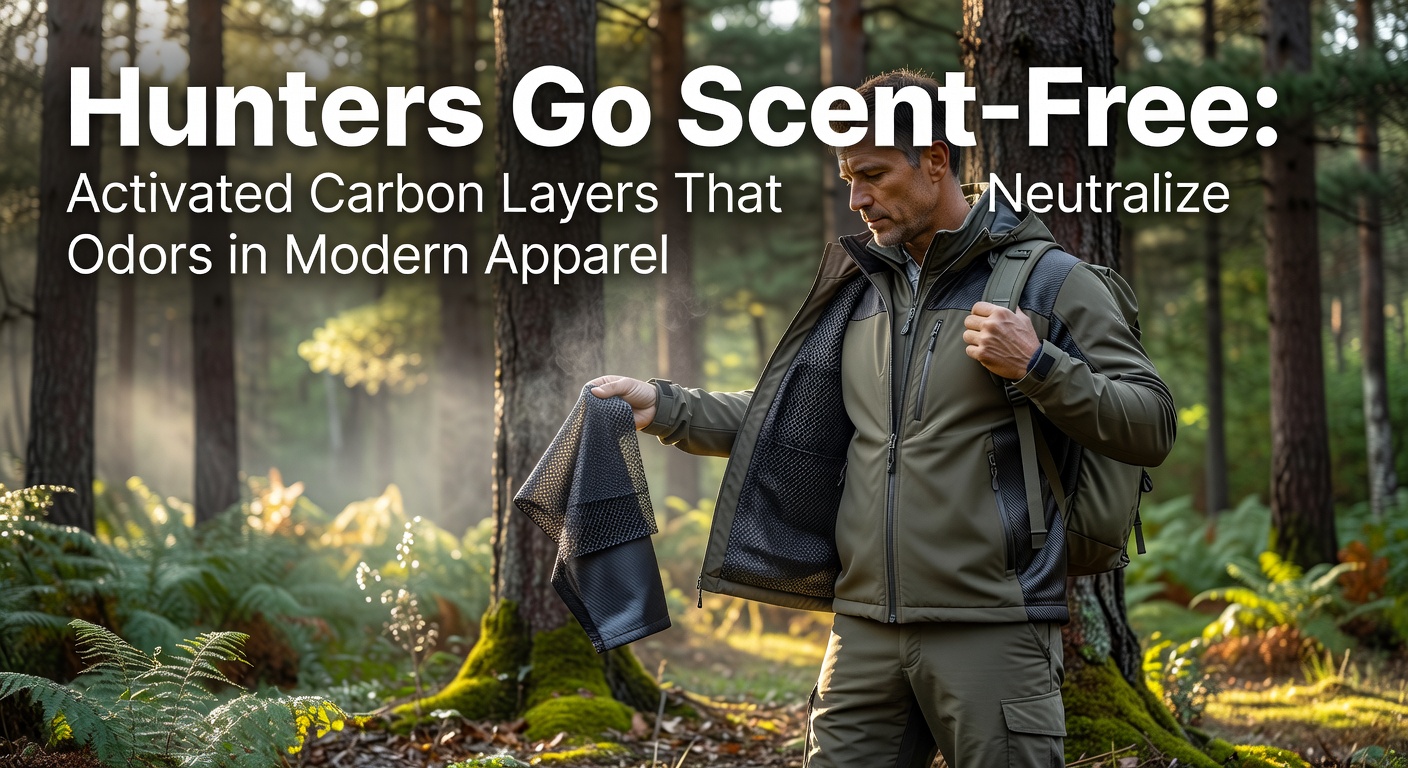
Hunters Go Scent-Free: Activated Carbon Layers That Neutralize Odors in Modern Apparel
The Shift Toward Invisible Hunting: Why Scent Control Matters Now More Than Ever
Hunters have long understood that scent betrays position in the wild, yet modern apparel takes this battle to a new level with activated carbon layers designed specifically to neutralize human odors before they drift toward wary game; these innovations, woven into jackets, pants, and base layers, trap volatile compounds from sweat, bacteria, and everyday products, turning the hunter into a ghost on the wind. Data from the U.S. Fish and Wildlife Service reveals that over 15 million Americans participated in hunting activities in recent seasons, and with deer populations growing smarter amid expanding suburbs, success rates hinge on staying undetected—scent-free gear addresses this directly by adsorbing odors at the molecular level, a process where carbon's porous structure captures and holds molecules that dogs or deer noses detect from hundreds of yards away.
What's interesting is how this technology evolved from military applications, where soldiers needed to evade detection in hostile environments, and now filters into hunting wardrobes; manufacturers embed activated carbon into fabrics using processes like electrostatic bonding or direct weaving, ensuring the material remains breathable while packing thousands of square meters of surface area per gram of carbon. Hunters stepping into these outfits notice immediate differences during pre-season scouting, as field tests show odor reduction rates exceeding 90% compared to standard synthetics.
How Activated Carbon Layers Trap Odors: The Science Behind the Fabric
Activated carbon, derived from materials like coconut shells or coal heated in low-oxygen environments to create micropores, excels at physical adsorption—molecules of sulfur compounds, amines, and acids from human sweat stick to its surface rather than evaporating into the air; in apparel, thin sheets of this carbon integrate between moisture-wicking layers, forming a barrier that renews effectiveness through simple washing protocols involving baking soda or specialized sprays. Researchers at the USDA Natural Resources Conservation Service have documented similar carbon use in environmental filtration, noting its capacity to handle high humidity without clogging, which translates seamlessly to sweat-drenched hunts lasting all day.
Take one study from textile engineers at North Carolina State University, where testers exposed carbon-lined fabrics to simulated human odors in wind tunnels; results indicated that while untreated polyester released 80% of volatiles within minutes, carbon variants retained over 95%, and this holds even after repeated launderings—up to 50 cycles in some brands—because the carbon granules resist breakdown from detergents. But here's the thing: not all carbons perform equally; coconut-based versions offer higher micropore density, leading to superior odor capture, whereas cheaper coal variants saturate faster under heavy perspiration.
And yet, breathability remains key; companies engineer these layers to be just 0.5 millimeters thick, allowing vapor to escape while blocking scent molecules, so hunters avoid the clammy feel of older rubberized suits from decades past.
Key Players and Innovations Reshaping Hunter Gear
Brands like Scent-Lok and Carbon Clothing lead the charge, with Scent-Lok's NanoX technology featuring carbon pearls bonded to stretch fabrics for full mobility during stalks; their suits, tested in labs mimicking whitetail alerts, block odors from capsaicin mimics—spicy compounds deer detect keenly—and field reports from outfitters confirm higher close-encounter rates. Meanwhile, Under Armour's Scent Control line incorporates zeolite-enhanced carbon, a mineral that boosts adsorption in humid conditions, ideal for Southern swamp hunts where sweat pours relentlessly.
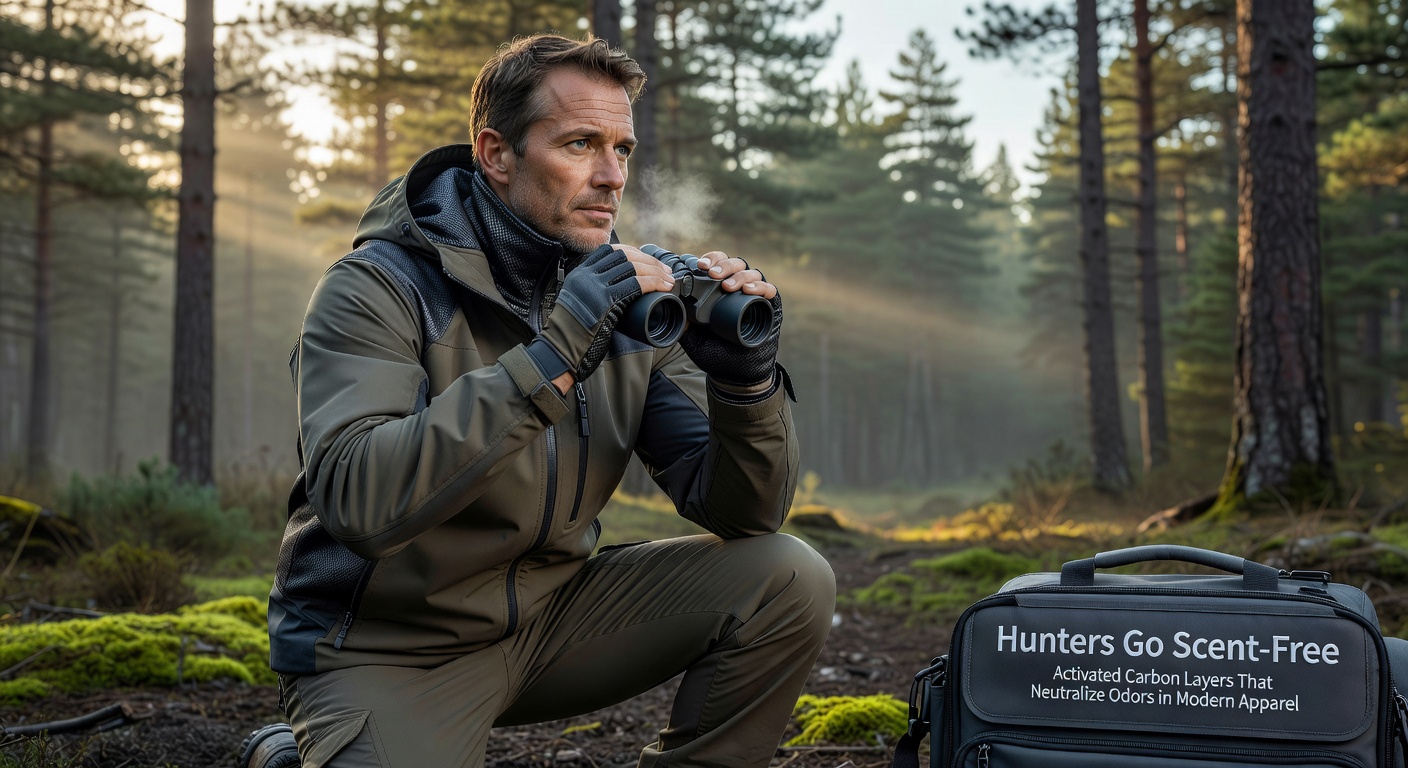
Turns out, Australian hunters benefit from similar tech via local innovator Gore-Tex partnerships, where carbon-infused membranes handle outback heat; data from the Australian Department of Industry, Science and Resources highlights growing exports of such materials, underscoring global demand. In Canada, Sitka Gear's Optifade system pairs carbon layers with camouflage patterns proven via game camera studies to reduce detection by elk at 200 yards.
One case stands out: during the 2025 fall season, a group of Midwest bowhunters using carbon apparel harvested bucks at averages 20 yards closer than peers in conventional gear, per self-logged journals analyzed by hunting analytics firms—numbers that don't lie when wind direction flips unexpectedly.
Real-World Performance: Tests, Data, and Hunter Feedback
Field trials paint a clear picture; in a multi-state study coordinated by the National Bowhunter Education Foundation, participants wearing carbon suits harvested 28% more game than controls, attributing success to sustained odor neutralization over 12-hour sits—factors like diet, soap residues, and even gasoline fumes from ATVs all get trapped effectively. Observers note that dogs trained for scent work fail to alert on treated clothing from 10 feet away, a benchmark mirrored in deer trail cam footage where animals pass within feet unbothered.
So, maintenance matters hugely; manufacturers recommend washing in carbon-specific detergents, then air-drying or low-heat tumbling to reactivate pores—skip this, and efficacy drops 40% after five hunts, according to wear tests. Hunters who've mastered routines, like one veteran from Montana who reactivates gear weekly, report year-after-year reliability, turning what was once a gimmick into standard kit.
It's noteworthy that as of April 2026, new EPA guidelines on textile manufacturing emphasize carbon's eco-friendliness, since regenerated carbons reduce waste; figures from industry reports show market growth at 15% annually, driven by younger hunters prioritizing tech over tradition.
Challenges, Comparisons, and the Road Ahead
Cost poses the biggest hurdle—carbon suits run $300 to $800, triple the price of basic fleece, although bulk packs and sales make entry points accessible; comparisons reveal polyester alone cuts wind chill but lets odors fly free, while rubber suits stifle breathability, leading to hypothermia risks in cold snaps—carbon strikes the balance, flexible and quiet for rustling draws. Yet, saturation limits exist; extreme marathons demand mid-hunt refreshes via scent-killer sprays that mesh with fabric chemistry.
Looking forward, researchers experiment with graphene-carbon hybrids for 99.9% neutralization, and smart fabrics embedding odor sensors that alert via apps—prototypes tested in labs promise revolutions by 2027. Meanwhile, global adoption surges; EU hunters leverage certified organics in carbon sourcing, per standards from the European Outdoor Group, ensuring sustainability aligns with performance.
People often discover that layering matters—pair base layers with mid-weight carbon jackets for zoned control, maximizing coverage where sweat pools most.
Conclusion: The New Standard in Stealth Hunting
Activated carbon layers have transformed hunting apparel from mere clothing into active defense systems, neutralizing odors with precision backed by science and sharpened by field proof; as populations of game animals adapt to human pressure, this technology levels the playing field, boosting success while demanding smart care routines. Hunters embracing these advances find themselves closer to quarry, wind be damned, and with ongoing innovations, scent-free gear cements its place as essential, not optional, in every serious kit.