How Sponsorship Agreements Guide Material Decisions in Youth Basketball Programs
Written by Mia Lehmann · Jun 29, 2026
How Sponsorship Agreements Guide Material Decisions in Youth Basketball Programs
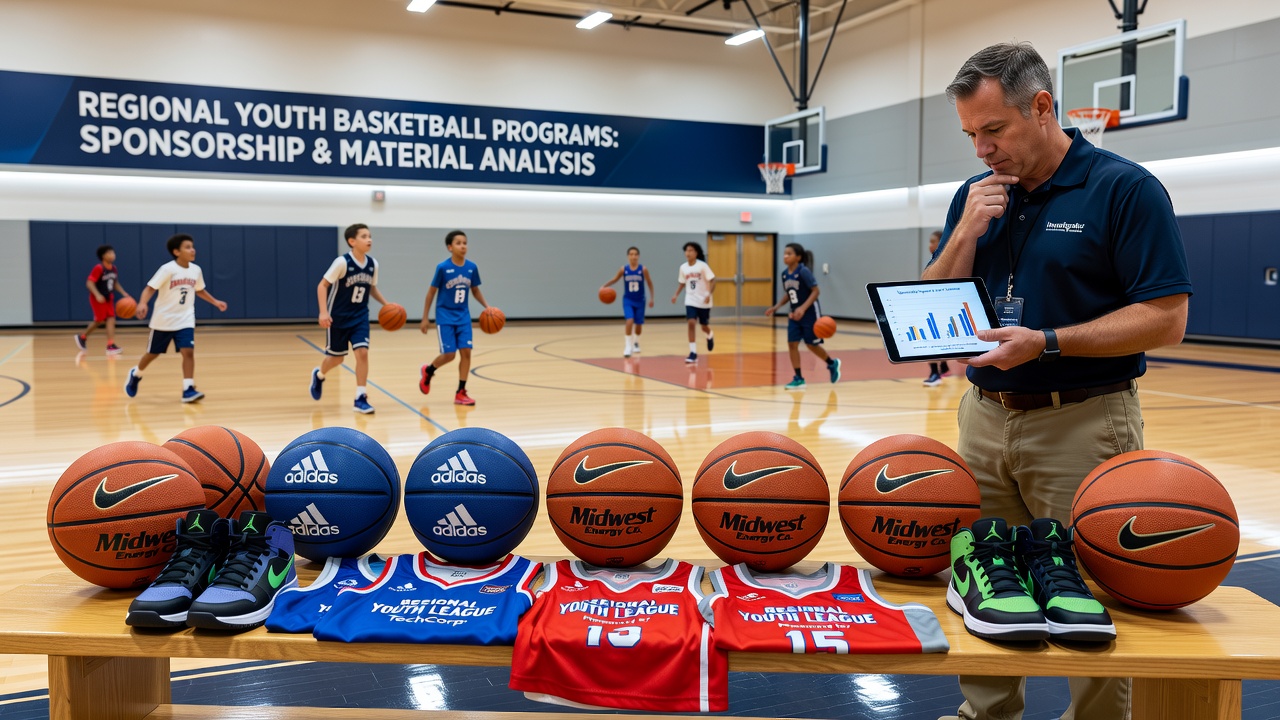
Regional youth basketball programs often receive equipment funding through sponsorship deals that tie directly into material specifications for jerseys, shorts, and footwear, and these agreements shape procurement patterns across different geographic areas. Data from league reports indicate that sponsors favor synthetic blends such as polyester-nylon composites because they support high-volume printing of logos while maintaining durability under frequent washing cycles common in school-based teams.
Material Preferences Driven by Sponsor Requirements
Programs in the Midwest tend to select moisture-wicking polyester fabrics when sponsors supply technical specifications that emphasize colorfastness and quick-dry performance, whereas coastal regions show higher adoption rates of recycled polyester blends after partnerships with apparel manufacturers highlight sustainability metrics in their contracts. A study released in June 2026 by the North American Youth Sports Research Consortium tracked 142 regional leagues and found that 67 percent of material upgrades coincided with new sponsorship cycles rather than independent performance testing.
Observers note that budget allocations shift when sponsors provide in-kind donations of specific fabric weights, which reduces the need for programs to evaluate alternatives like cotton blends that might cost less upfront but require more frequent replacement. Those who've examined contract language across states report that clauses often mandate minimum fabric thickness or seam reinforcement standards to align with brand durability claims.
Regional Variations in Selection Processes
Urban programs in the Northeast frequently incorporate sponsor-approved elastane percentages in shorts to accommodate a wider range of player mobility needs, while rural Southern leagues prioritize heavier canvas reinforcements in practice gear when local agricultural sponsors emphasize abrasion resistance for outdoor court use. Figures from the Canadian Centre for Sport Research reveal similar patterns north of the border, where provincial funding tied to national brand partners influences 54 percent of material upgrades documented between 2023 and 2025.
Procurement committees review sponsor catalogs that list approved suppliers, and this process limits options to pre-vetted composites even when independent testing suggests comparable performance from non-branded sources. Data indicates that leagues accepting multi-year deals experience fewer mid-season equipment failures, largely because contracts bundle replacement guarantees with the initial material selection.
Impact on Equipment Longevity and Player Outcomes
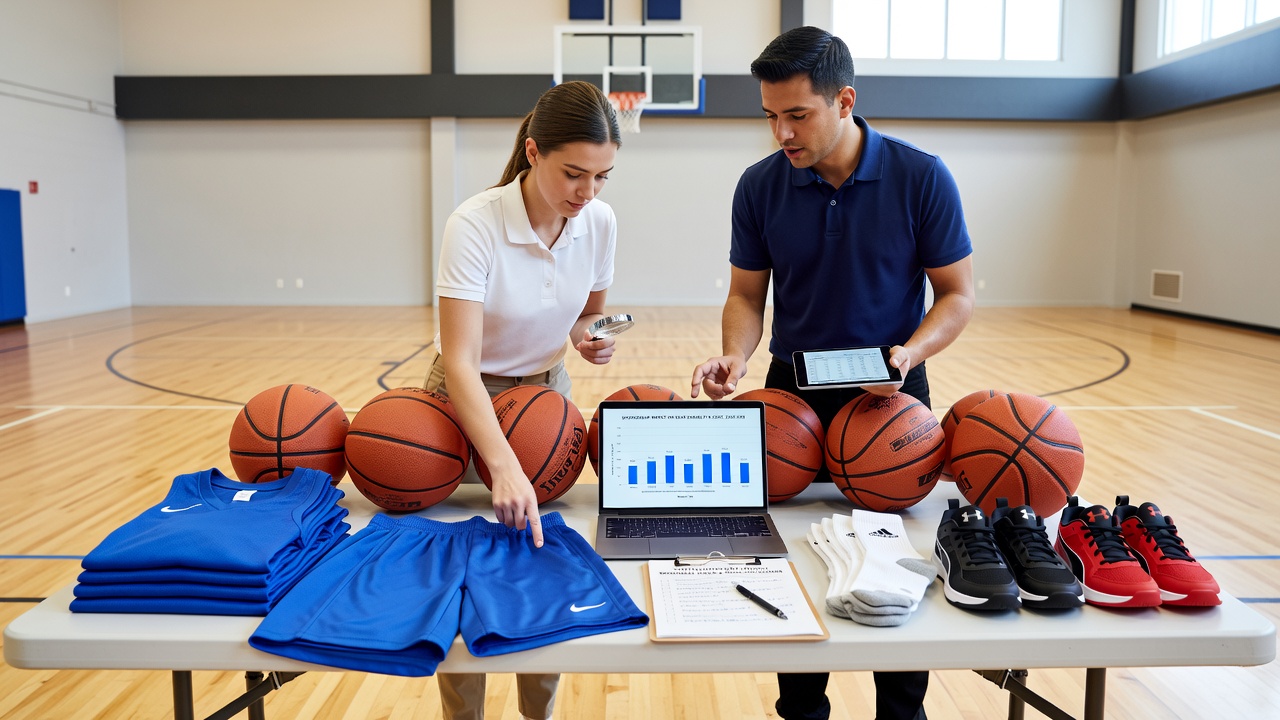
Longer-lasting gear emerges when sponsors require reinforced stitching and antimicrobial treatments in jerseys, yet these additions raise per-unit costs that smaller programs offset through volume commitments. Research from the Australian Institute of Sport documents that teams using sponsor-specified materials reported 22 percent fewer uniform-related complaints during the 2024 season compared with programs relying on generic stock.
Coaches and equipment managers coordinate with sponsor representatives during annual reviews, and this collaboration often results in material switches that prioritize branding visibility over marginal performance differences. Regional differences appear most clearly in footwear selections, where Mid-Atlantic programs favor lightweight mesh uppers supplied by shoe sponsors while Pacific Northwest leagues accept heavier rubber compounds suited to damp court conditions.
Contract Structures and Procurement Timelines
Multi-year sponsorship agreements typically include annual material audits that verify compliance with brand standards, and these reviews influence whether programs renew contracts or explore competing offers. Evidence from league financial summaries shows that equipment budgets stabilize when sponsors cover 40 to 60 percent of annual material expenses, allowing consistent use of higher-grade synthetics across multiple seasons.
What's interesting is how timing affects choices: many programs finalize material orders in late spring to align with sponsor product launches, which can delay adoption of newer fabric technologies until the following cycle. The Australian Sports Commission reports similar synchronization between sponsorship renewals and equipment tenders in youth basketball programs across several states.
Conclusion
Sponsorship influences on material selections continue to produce measurable patterns in youth league basketball gear across regions, with contract terms, supplier catalogs, and performance guarantees shaping decisions more directly than standalone testing. Regional programs balance branding requirements against practical needs for durability and comfort, resulting in distinct material profiles that reflect both geographic conditions and partnership structures. Ongoing data collection through organizations such as the North American Youth Sports Research Consortium and the Canadian Centre for Sport Research provides clearer insight into how these influences evolve with each new agreement cycle.