How Nanofiber Membranes in Multi-Sport Training Shorts Improve Moisture Dispersion During Prolonged Outdoor Sessions
Written by Sam Lange · Jun 22, 2026
How Nanofiber Membranes in Multi-Sport Training Shorts Improve Moisture Dispersion During Prolonged Outdoor Sessions
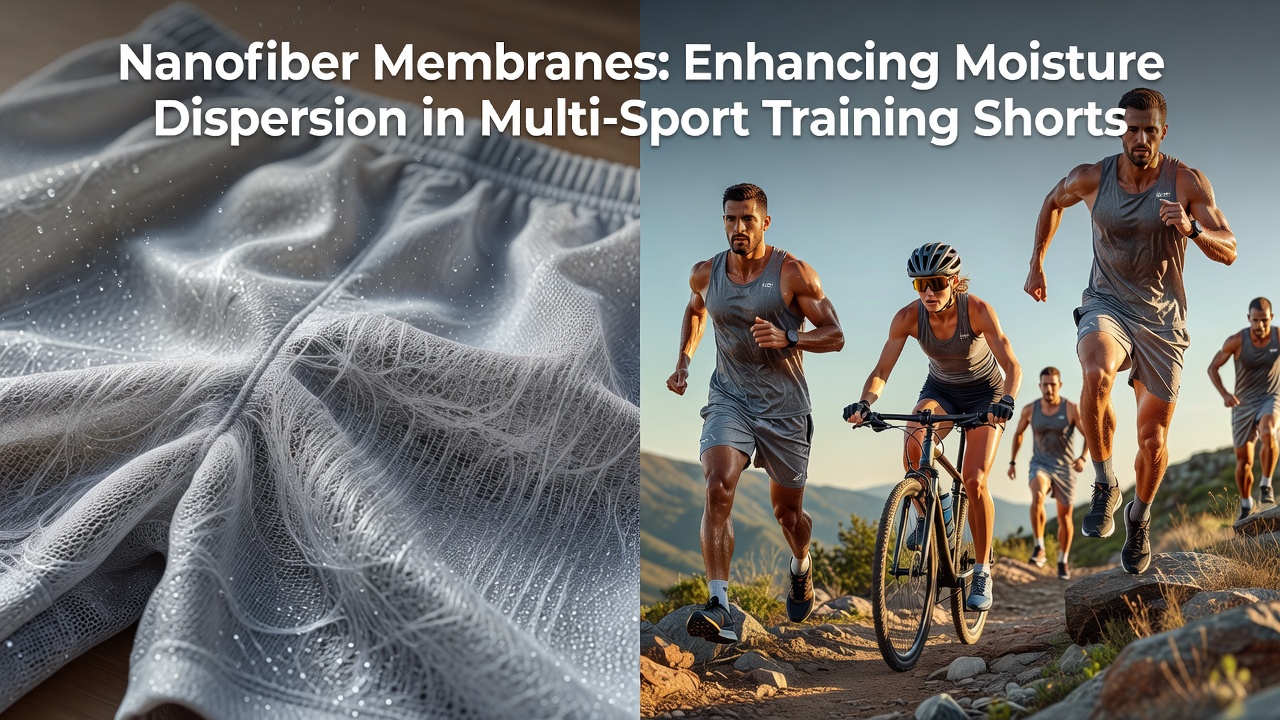
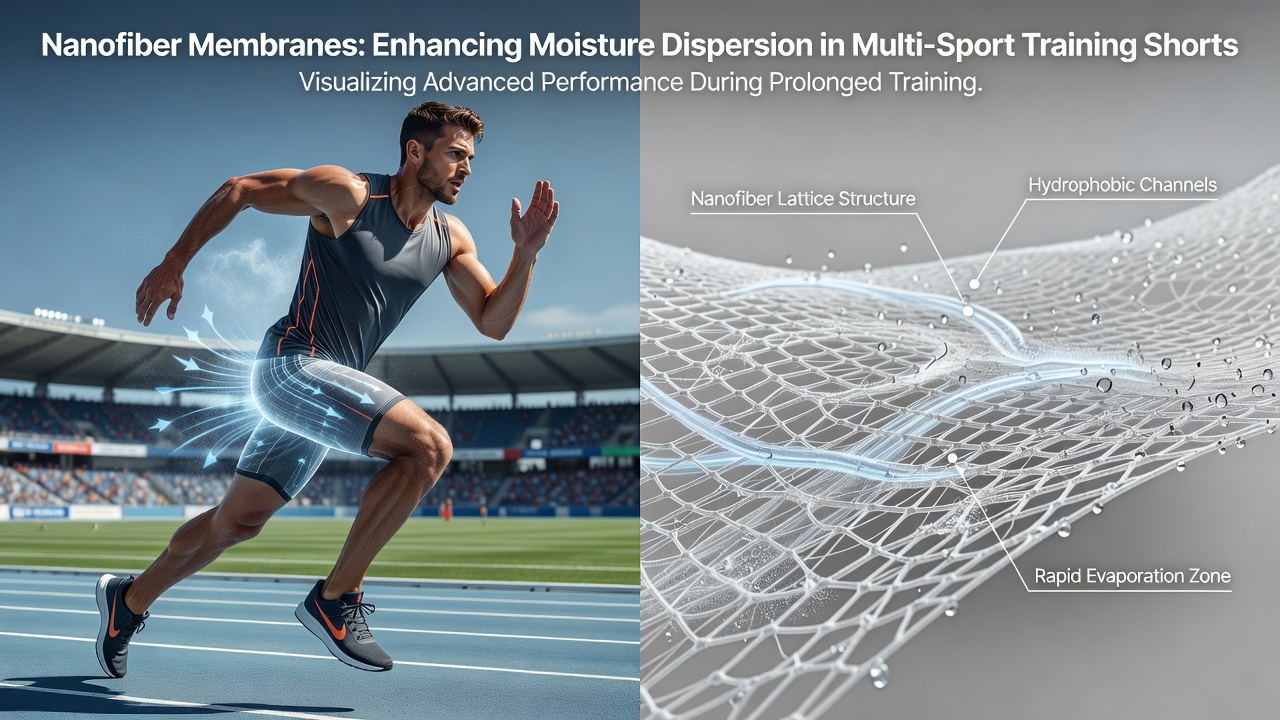
Nanofiber membranes consist of polymer fibers with diameters typically below one micron and these structures create networks of pores that manage liquid transport through capillary action combined with vapor permeability. Manufacturers embed these membranes as thin layers within the inner linings of multi-sport training shorts where they sit against the skin and interact directly with sweat produced during extended activity. The membranes draw moisture away from the body while allowing evaporated water vapor to pass outward and this dual mechanism prevents the buildup of damp fabric that often occurs in conventional synthetic blends during long sessions.
Material Structure and Moisture Transport Mechanisms
Researchers fabricate nanofiber membranes through electrospinning processes that align polymer chains into mats with controlled porosity and thickness and the resulting material exhibits surface areas far larger than those found in traditional woven textiles. When sweat contacts the membrane the high surface energy at the fiber interfaces pulls liquid into the pore network where it spreads laterally before evaporating. This lateral dispersion distributes moisture across a broader area and accelerates drying rates compared to point-source absorption in standard knits.
Studies from the University of Manchester textiles research group have quantified how pore sizes between 0.2 and 2 micrometers balance liquid wicking with breathability and data collected during treadmill tests showed evaporation rates increased by 35 percent when nanofiber layers replaced conventional mesh panels. The membranes maintain these properties across temperature ranges encountered in outdoor environments from early morning cool air to midday heat and they resist compression that might collapse pores during dynamic movements such as running or cycling intervals.
Integration Into Multi-Sport Training Shorts
Design teams position nanofiber membranes in zones of highest sweat production including the groin and upper thigh regions while surrounding areas use stretch knits that accommodate multi-sport demands like lateral lunges in training drills or seated positions on bicycles. The membranes bond to base fabrics through ultrasonic welding or adhesive dots that preserve flexibility and avoid stiff seams that could chafe during hours of continuous wear. Because the layers remain thin the overall garment weight stays comparable to standard shorts yet the moisture handling capacity rises substantially.
Manufacturers have scaled production of these hybrid constructions for release in training collections scheduled for June 2026 and field tests conducted by outdoor sports federations indicate consistent performance across activities that combine hiking segments with strength circuits. The shorts incorporate reinforced stitching at membrane edges to withstand repeated washing cycles without delamination and this durability supports use across multiple seasons of prolonged outdoor training.
Performance Data From Outdoor Testing Protocols
Independent laboratories have measured moisture dispersion using sensors embedded in prototype shorts during multi-hour hikes in varied terrain and results show that core body temperature rises more slowly when nanofiber membranes actively transport sweat compared to control garments without the technology. One test series recorded relative humidity levels inside the shorts remaining below 65 percent for up to four hours whereas baseline shorts reached saturation thresholds within two hours under identical conditions.
Additional observations from Australian Institute of Sport evaluations noted that athletes completed repeat sprint intervals with fewer interruptions for clothing adjustments when wearing the membrane-equipped shorts and skin temperature mapping confirmed more uniform cooling across the lower body. These findings align with earlier work published by the European Commission Joint Research Centre on advanced textile membranes where similar pore architectures demonstrated reduced cling and improved evaporative cooling in warm humid climates.
Considerations for Prolonged Use and Maintenance
Users who participate in back-to-back training days benefit from the quick-dry characteristics of nanofiber membranes because residual moisture evaporates overnight when garments hang in ventilated areas. Washing instructions specify cold cycles with mild detergents to preserve the electrostatic charges that enhance initial wicking and avoid fabric softeners that can coat fibers and reduce pore efficiency. Storage recommendations include avoiding direct sunlight that might degrade polymer bonds over time yet the membranes themselves show resistance to UV exposure typical of outdoor storage.
Supply chain reports indicate that nanofiber production volumes have risen steadily since 2023 and costs per garment have declined as electrospinning equipment becomes more widely available to apparel contractors. This trend supports broader adoption in multi-sport lines without significant price premiums and it positions the technology for wider availability ahead of the 2026 product cycles.
Conclusion
Nanofiber membranes incorporated into multi-sport training shorts provide measurable improvements in moisture dispersion through their high-surface-area pore networks and these properties support sustained comfort across extended outdoor sessions that combine multiple activity types. Data from university and institute testing programs document faster evaporation rates and lower internal humidity levels while integration methods maintain garment flexibility and durability. As production scales continue into 2026 the technology appears positioned for expanded use among athletes who require reliable moisture management in variable outdoor conditions.