How Embedded RFID Technology Streamlines Equipment Tracking and Maintenance Cycles for Multi-Sport University Athletic Programs
Written by Greta Peters · Jul 25, 2026
How Embedded RFID Technology Streamlines Equipment Tracking and Maintenance Cycles for Multi-Sport University Athletic Programs
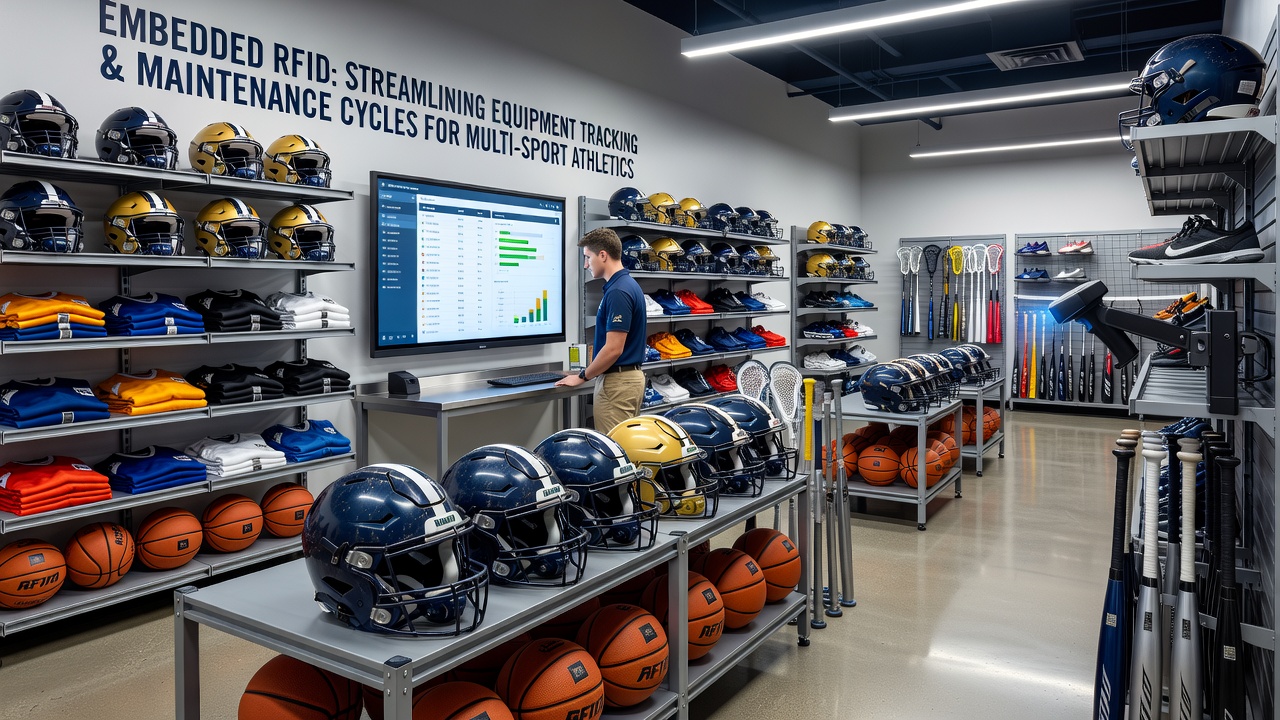
University athletic departments manage thousands of items across multiple sports, and embedded RFID technology integrates directly into gear such as football pads, basketballs, and track hurdles to create automated identification systems that replace manual inventory checks. Researchers at institutions like those affiliated with the NCAA Sports Science Institute have documented how passive RFID tags, each about the size of a grain of rice, transmit unique identifiers when scanned by fixed or handheld readers positioned throughout training facilities and storage areas.
Data from athletic programs that adopted these systems shows inventory accuracy rising above 98 percent within the first six months of deployment, because each item logs its location in real time without staff intervention. One program at a large Midwestern university integrated tags into over 4,500 pieces of equipment spanning football, soccer, volleyball, and swimming, which allowed managers to locate misplaced items in under two minutes instead of the previous average of 45 minutes spent searching storage rooms and fields.
Core Mechanics of Embedded RFID Systems
Tags get embedded during manufacturing or retrofitted into existing equipment through durable epoxy coatings that withstand repeated impacts, moisture exposure, and temperature fluctuations common in outdoor and indoor venues. Readers placed at equipment check-out points, laundry facilities, and maintenance bays capture data automatically as items move through these zones, while cloud-based software compiles the information into dashboards that flag items overdue for inspection or nearing the end of their service life.
Studies conducted by Australian researchers at the University of Queensland in 2025 found that RFID systems reduced equipment loss rates by 62 percent across multi-sport programs, because the technology creates an unbroken chain of custody records that pinpoint exactly when and where an item last appeared. This continuous logging proves especially useful during peak seasons when teams rotate through multiple venues for practice adn competition.
Optimizing Maintenance Schedules Through Real-Time Data
Maintenance cycles shift from fixed calendar intervals to condition-based triggers once RFID tags pair with basic sensors that monitor variables such as impact counts, wash cycles, and storage humidity. When a tagged helmet reaches a predetermined number of high-impact events, the system generates an alert that routes the item to certified technicians for evaluation, which prevents both premature replacement and unexpected failures during competition.
Evidence from Canadian university trials indicates that condition-based maintenance extended the usable life of protective equipment by an average of 18 percent, since staff no longer replaced items based solely on time in service. The same systems also track laundry cycles for uniforms and padding, ensuring that items requiring specialized cleaning receive it before odor or material degradation affects performance.
Application Across Multiple Sports on One Campus
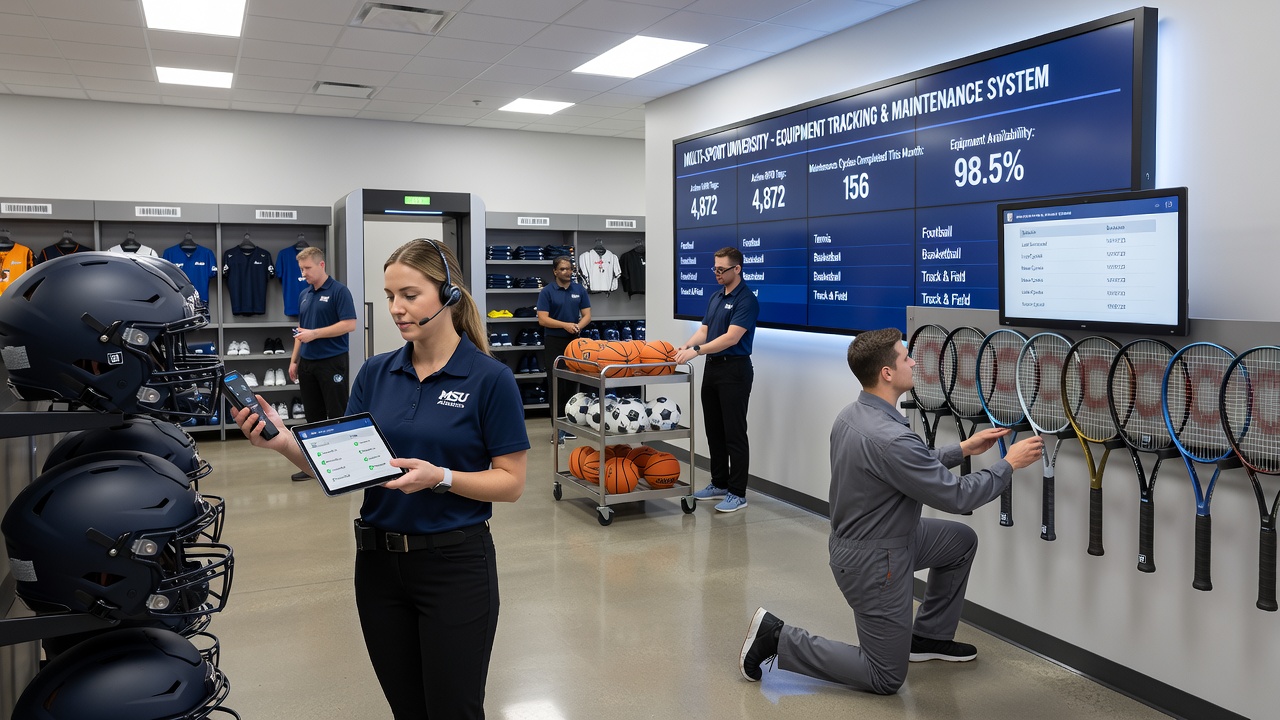
Multi-sport programs face unique challenges because each discipline uses distinct equipment with different durability profiles and regulatory requirements. RFID platforms accommodate these differences by allowing administrators to assign sport-specific maintenance thresholds within a single software interface, so a baseball catcher’s chest protector triggers inspection after 200 uses while a cross-country team’s timing chips receive checks after 50 events. Observers note that this unified approach eliminates the need for separate tracking spreadsheets that previously led to duplicated effort and missed deadlines.
By July 2026, several NCAA Division I programs plan to expand their RFID networks to include student-athlete wearable identifiers, which will link individual usage data to specific pieces of equipment and create more granular maintenance histories. Such integration relies on existing Wi-Fi infrastructure already present in most athletic complexes, keeping deployment costs lower than building new dedicated systems.
Integration With Existing Campus Infrastructure
RFID readers connect to university networks through standard Ethernet or wireless protocols, feeding data into the same asset-management platforms already used for facilities and vehicles. This compatibility means athletic departments avoid purchasing entirely new software stacks and instead configure modules that speak directly to procurement and finance systems. When an item requires replacement, the RFID record supplies exact usage statistics that justify budget requests with documented evidence rather than estimates.
European research published by the Fraunhofer Institute for Integrated Circuits in 2024 demonstrated that combining RFID with basic IoT gateways reduced administrative labor hours by 35 percent in comparable large-scale equipment environments. University athletic staff who previously spent entire afternoons counting and logging gear now focus on higher-value tasks such as equipment fitting and athlete education.
Conclusion
Embedded RFID technology delivers measurable improvements in both tracking precision and maintenance timing for multi-sport university programs by replacing manual processes with automated data capture. The systems scale across diverse equipment types and sports while integrating with existing campus networks, and ongoing expansions planned for 2026 will further connect usage data to individual athletes. Athletic departments that implement these solutions gain consistent records that support both operational efficiency and regulatory compliance without increasing staff workload.