Historical Military Gear Shaping Modern Hunting Apparel for Multi-Terrain Challenges
Written by Mia Lehmann · Aug 15, 2026
Historical Military Gear Shaping Modern Hunting Apparel for Multi-Terrain Challenges
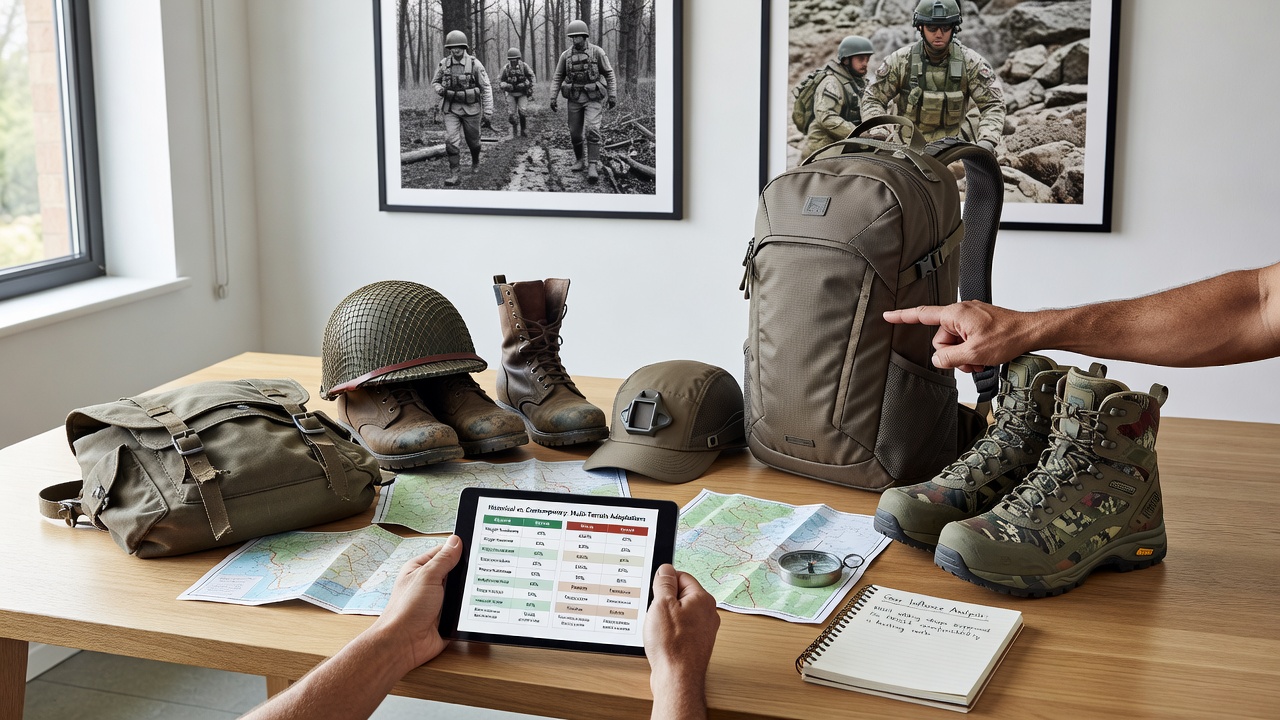
Military equipment developed across multiple conflicts introduced functional elements that manufacturers later adapted for hunting apparel, and these adaptations focus on concealment, load distribution, and environmental protection across forests, mountains, and wetlands. Observers note that patterns from World War II field uniforms provided the foundation for early camouflage fabrics, while later innovations in synthetic materials addressed the demands of prolonged exposure in diverse conditions.
Camouflage Patterns and Concealment Techniques
Disruptive coloration techniques pioneered during the 1940s evolved from hand-painted helmet covers into printed fabric systems that hunters now employ for multi-terrain visibility reduction. Studies from defense textile programs indicate that irregular edge patterns originally tested in European woodlands transferred effectively to North American hunting environments, where foliage density varies by season. Manufacturers integrated these prints into jackets and pants using dye-sublimation processes that maintain colorfastness after repeated washes and abrasion against rocks or brush.
Additional refinements came from Vietnam-era experiments with infrared suppression, and contemporary hunting lines incorporate similar pigment technologies to minimize detection by game animals sensitive to light wavelengths outside human vision. Data shows these features appear in garments tested for both military reconnaissance and backcountry archery applications.
Layering Systems and Environmental Protection
Modular insulation concepts developed for cold-weather operations during the Korean conflict led to removable liner designs that hunters use to adjust warmth without carrying separate garments. These systems rely on zip-in panels and hook-and-loop attachments, allowing users to respond to temperature shifts encountered during elevation changes in mountainous terrain. Research indicates the base layers often employ moisture-wicking synthetics first fielded in naval operations, which reduce sweat accumulation during active movement through dense undergrowth.
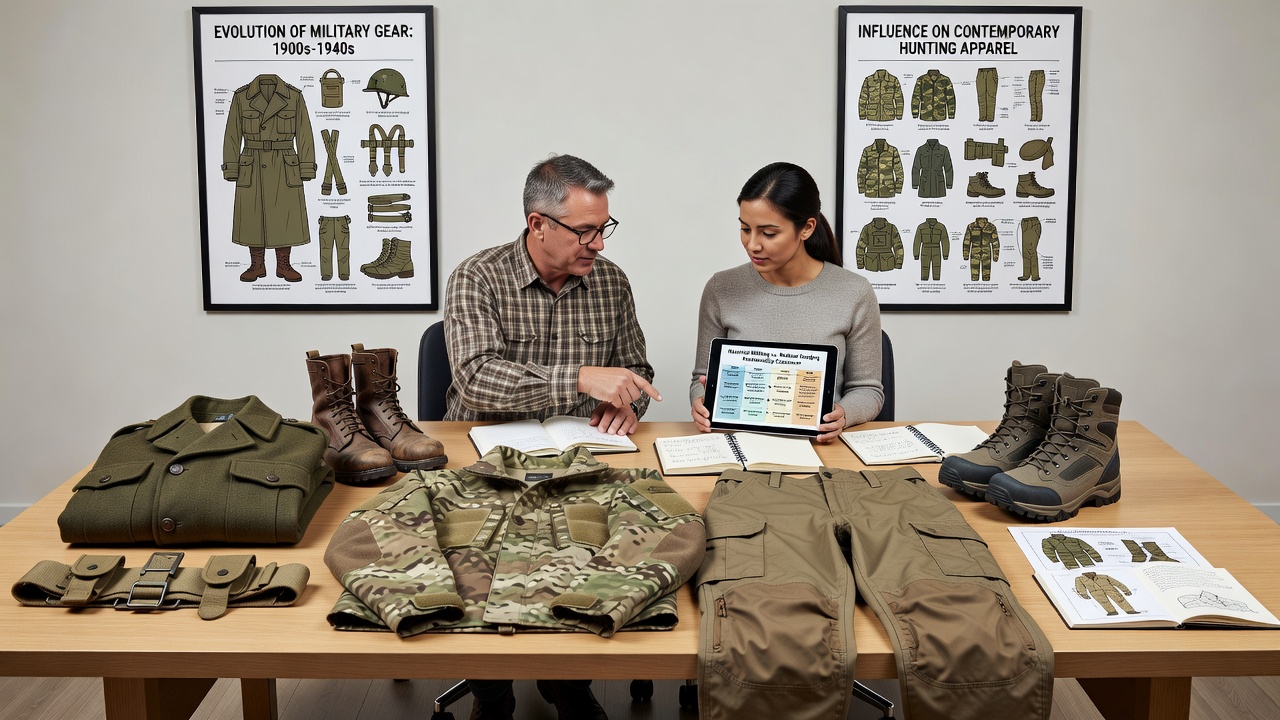
Water-resistant membranes introduced in the 1970s for special operations units now appear in hunting shells rated for multi-day exposure to rain and snow. Figures from material testing laboratories reveal that hydrostatic head ratings in these fabrics exceed 10,000 millimeters, matching performance standards established for extended patrols in temperate rainforests. Hunters in regions like the Pacific Northwest apply the same constructions when traversing mixed coastal and alpine zones.
Load-Bearing and Modular Storage Features
ALICE and MOLLE attachment frameworks developed by U.S. forces enabled soldiers to configure pouches according to mission requirements, and hunting apparel producers adopted compatible webbing grids for carrying ammunition, tools, and navigation devices. Those who study equipment evolution point out that reinforced stitching patterns originally specified for parachute harnesses now reinforce hunting vests used during extended expeditions across uneven ground. Adjustable compression straps, refined through airborne operations, help secure items against shifting during steep descents or river crossings.
August 2026 reports from the Australian Defence Science and Technology Group highlighted ongoing evaluations of lightweight composite hardware in load systems, and several hunting brands incorporated similar components to reduce overall pack weight while preserving attachment strength. This approach supports activities that combine hiking, glassing, and field dressing in single outings.
Durability Enhancements for Varied Terrains
Abrasion-resistant panels derived from desert combat uniforms protect high-wear areas such as knees and forearms in hunting pants designed for rocky or thorny landscapes. Ballistic nylon blends tested under extreme conditions provide tear resistance that exceeds many civilian outdoor fabrics, according to comparative analyses conducted by textile research institutes. Reinforced elbows and seat panels, features first emphasized in mountain infantry gear, now appear in garments marketed for elk hunting in the Rockies and similar high-country pursuits.
Footwear constructions influenced by combat boots incorporate drainage ports and quick-dry linings that address stream crossings common in wetland hunting. These elements combine with aggressive tread patterns originally engineered for traction on loose shale and mud, delivering stability across seasonal terrain changes.
Conclusion
Design elements transferred from military contexts continue to define performance expectations in hunting apparel intended for multi-terrain environments. Ongoing material advancements, documented through defense and civilian testing programs, maintain the focus on concealment, protection, and adaptability that originated in operational requirements. These shared functionalities support hunters navigating forests, mountains, and wetlands with equipment refined through decades of practical field use.