Embedded Pressure Sensors in Practice Volleyballs Track Impact Distribution Patterns for Coaching Adjustments in Indoor League Facilities
Written by Otto Perry · Jul 11, 2026
Embedded Pressure Sensors in Practice Volleyballs Track Impact Distribution Patterns for Coaching Adjustments in Indoor League Facilities
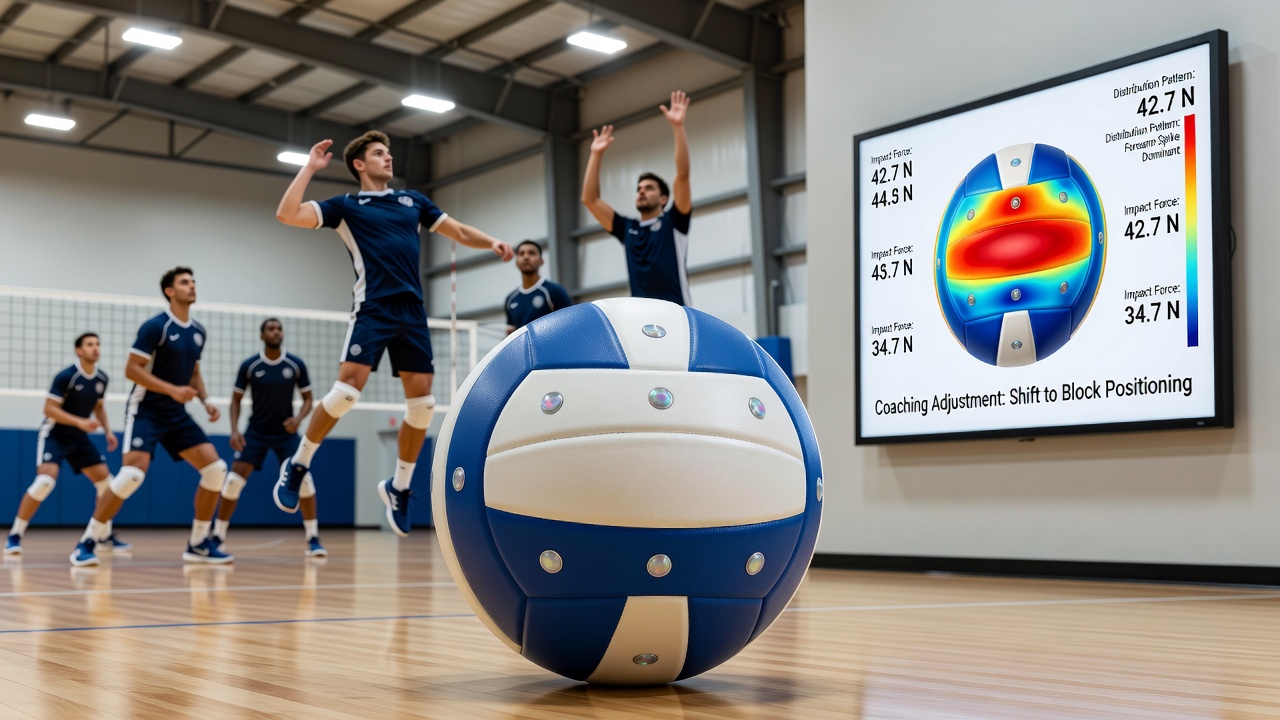
Indoor volleyball leagues have incorporated practice balls equipped with embedded pressure sensors that capture detailed data on where and how force distributes across the ball surface during serves, passes, and attacks, and facilities began expanding these systems in early 2026 to support precise coaching decisions across multiple teams. Sensors positioned at multiple points inside the ball shell record pressure variations in real time while wireless modules transmit readings to facility dashboards or coaching tablets, and this setup allows trainers to review patterns without interrupting drills.
Sensor Technology and Data Capture Process
Pressure-sensitive layers made from thin film materials line the interior of standard-size volleyballs while microcontrollers sample force data at rates exceeding 1000 readings per second during contact events, and researchers at institutions such as the University of Calgary have documented how these arrays distinguish between central strikes that produce even compression and peripheral hits that create asymmetric load spikes. Data packets travel via low-energy Bluetooth to receivers mounted on gym walls or portable units, after which software maps the readings onto three-dimensional ball models that highlight zones of highest and lowest impact intensity.
Coaches access color-coded overlays that indicate whether players consistently strike the ball's sweet spot or drift toward edges during repeated attempts, and indoor league facilities in controlled environments benefit from stable air temperatures and lighting that reduce external variables affecting sensor accuracy. Calibration routines performed at the start of each session ensure baseline readings remain consistent across multiple balls, while algorithms filter out minor vibrations from floor bounces or net interactions.
Impact Distribution Patterns Observed in League Play
Studies tracking elite indoor teams reveal that successful float serves often generate concentrated pressure near the valve area followed by rapid dissipation across the opposite hemisphere, whereas spike attempts produce broader load footprints centered slightly below the ball's equator when contact occurs at peak arm extension. Passers who angle their platforms correctly show tighter clustering of high-pressure points along the intended trajectory line, and data logs collected during July 2026 scrimmages demonstrated measurable shifts in these clusters after players adjusted wrist angles based on sensor feedback.
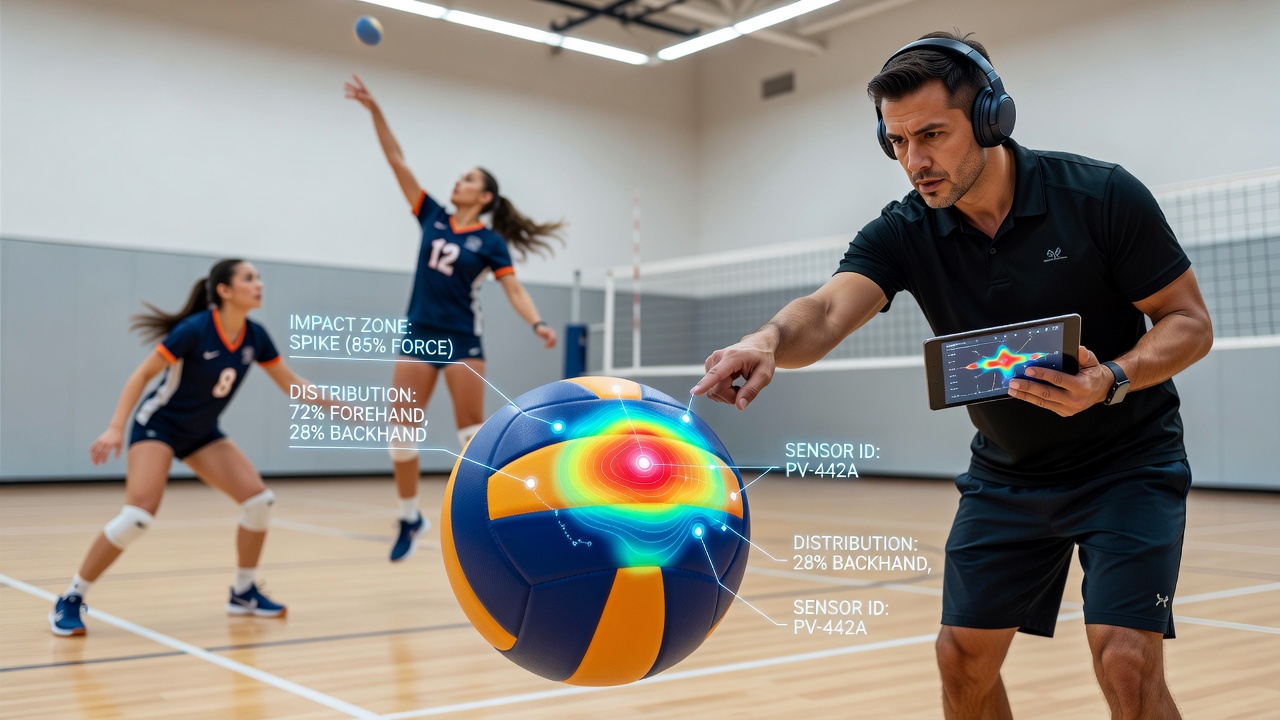
Facilities report that off-center impacts appear more frequently during high-volume serving drills, and patterns shift when fatigue sets in during later sets, with pressure maps showing increased spread toward the ball's lower hemisphere. League operators integrate these maps with video footage so analysts can correlate specific body positions with resulting force distributions, and the combined records help identify technique elements that produce repeatable contact quality.
Coaching Adjustments Derived from Sensor Data
Training staff review session summaries that quantify how often each player achieves balanced pressure distribution, and they schedule targeted drills to address recurring off-axis contacts by introducing modified toss heights or platform tilts. One facility in the Midwest documented a 12 percent reduction in serve errors after implementing weekly sensor-based reviews that highlighted individual tendencies toward left-edge strikes, and similar programs have expanded to junior leagues where early identification of contact habits supports long-term skill development.
Software tools generate comparative reports across multiple sessions so coaches can track whether adjustments produce measurable convergence toward central impact zones, and data-sharing protocols allow assistant coaches to access the same maps on separate devices during simultaneous court sessions. Indoor environments minimize variables such as wind or temperature swings that could otherwise distort pressure readings, which lets staff focus on player-specific variables like arm speed and contact timing.
Implementation Across League Facilities
League operators have standardized sensor ball specifications to ensure compatibility with existing inventory management systems, and maintenance protocols include periodic sensor integrity checks that replace units showing drift beyond acceptable thresholds. Facilities allocate dedicated storage zones for charged balls and schedule rotation schedules so every practice group receives equal access to instrumented equipment, while backup conventional balls remain available for warm-up periods.
Research partnerships between universities and league organizations continue to refine mapping algorithms that account for different ball constructions and internal pressures, and findings from collaborative projects indicate consistent pattern recognition across varied playing styles. Staff training programs now include modules on interpreting pressure maps so coaches without engineering backgrounds can apply the insights directly during practice planning.
Conclusion
Embedded pressure sensors provide indoor volleyball leagues with objective records of impact distribution that support targeted technique refinements and session planning, and adoption continues through 2026 as facilities integrate the systems into standard training workflows. The resulting data sets allow coaches to quantify contact quality across large player groups while maintaining focus on measurable outcomes rather than subjective observation alone.