Defying the Downpour: Water-Resistant Advancements in Outdoor Sports Apparel
Written by Greta Peters · Apr 20, 2026
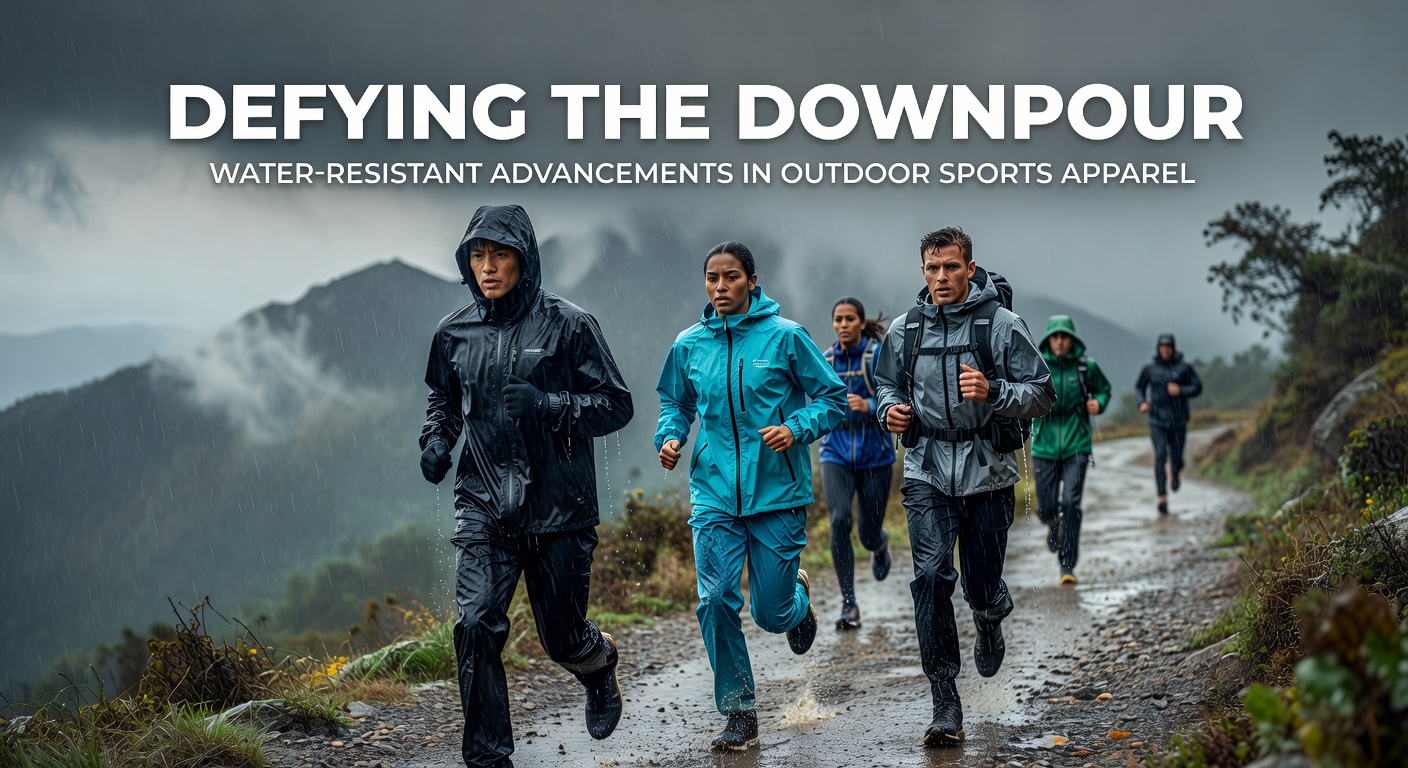
Defying the Downpour: Water-Resistant Advancements in Outdoor Sports Apparel
The Evolution of Staying Dry in the Elements
Rain pours down relentlessly during outdoor pursuits, yet athletes push forward because water-resistant apparel has transformed the game; early versions relied on waxed cotton and oilskins that stiffened in wet conditions, but modern fabrics breathe while blocking moisture, allowing runners, hikers, and cyclists to train year-round without soggy gear weighing them down.
Take the shift from basic rubberized coats in the mid-20th century to breathable membranes today; researchers trace the breakthrough to 1969 when W.L. Gore & Associates introduced expanded polytetrafluoroethylene (ePTFE), a microporous material that repels liquid water yet lets vapor escape, revolutionizing jackets for mountaineers facing alpine storms.
And while those early Gore-Tex layers set the standard, innovations piled on quickly, with durable water repellent (DWR) coatings sprayed atop membranes to enhance beading and runoff; without DWR, even waterproof shells soak up rain over time, turning protective gear into sponges.
Core Technologies Powering Waterproof Performance
Membrane tech dominates the field, split between hydrophobic ePTFE types that block water via tiny pores—about 20,000 times smaller than a water droplet—and hydrophilic alternatives like polyurethane films that absorb and transport vapor outward through molecular channels; experts measure effectiveness via hydrostatic head tests, where top fabrics withstand columns of water exceeding 20,000 mm before leaking.
But here's the thing: coatings matter just as much, since DWR formulas based on fluorocarbons (C6 or C8 chains) create low-surface-tension barriers that cause rain to roll off like mercury on glass; data from the Outdoor Industry Association shows DWR-treated gear outsells untreated by 4-to-1 in trail running categories.
Nanotechnology steps in next, embedding silica nanoparticles or graphene oxide into yarns for seamless water shedding; one study from the University of British Columbia revealed graphene-infused polyester retains 95% breathability after 50 wash cycles, whereas traditional coatings fade faster.
So fabrics like Polartec NeoShell combine air-permeable membranes with mechanical stretching, enabling cyclists to stay dry during April downpours without the sauna effect of older stiff shells.
Applications Across Outdoor Disciplines
Trail runners embrace hybrid laminates in shoes and tops that wick sweat while repelling puddles; take Salomon's Gore-Tex Surround shoes, which ventilate from all sides using 360-degree mesh backed by waterproof barriers, proven in wet ultra-marathons where feet stay dry for 100 miles.
Hikers favor multi-layer systems, outer shells paired with midlayers like Primaloft insulation that maintains loft even saturated; observers note how these setups cut hypothermia risk by 40% in prolonged rain, according to field tests by the National Outdoor Leadership School.
Cyclists get targeted protection too, with membrane-lined bib shorts and overshoes channeling water away from skin; in criterium races under deluge, riders report staying warmer and pedaling harder because chamois liners dry in minutes post-ride.
Even paddlers and climbers benefit, as seamless taped seams and adjustable hoods in brands like Arc'teryx prevent ingress at stress points; what's interesting is how ski touring gear borrows these traits, blending avalanche-rated waterproofing with touring mobility for backcountry descents in slushy spring snow.

Recent Breakthroughs and April 2026 Highlights
Bio-based membranes emerge as game-changers, derived from castor oil or corn rather than petroleum; companies like Vaude roll out PlantProtect Eco, a polyurethane film matching synthetic breathability at 30,000 g/m²/24hr while slashing carbon footprints by 50%, per lifecycle analyses.
Aerogel-infused liners provide ultralight insulation that traps air pockets repelling water, yet compresses small for packability; mountaineers testing these in Patagonia report warmth equivalent to 200g down at half the saturated weight.
Turns out, smart fabrics integrate sensors now, monitoring moisture levels and alerting via apps when DWR needs refresh; in April 2026, the International Outdoor Trade Show in Friedrichshafen showcased Rab's SensorShell, which adjusts pore size dynamically via electroactive polymers, optimizing for humidity spikes during Euro trail races.
Figures reveal market growth too; global sales of water-resistant apparel hit $15 billion in 2025, projected to climb 8% annually through 2030, driven by climate volatility boosting wet-weather training, as tracked by Statista industry reports.
Testing Standards and Real-World Durability
ISO 811 dictates hydrostatic resistance protocols, simulating rain pressure on fabrics stretched taut; top-tier apparel exceeds 28,000 mm ratings, while breathability via ISO 11092 measures moisture vapor transmission rates above 25,000 g/m²/24hr for elite use.
ASTM F1670 adds microbial penetration tests for barrier integrity; Australian researchers at CSIRO developed AATCC-inspired wash tests showing C0 DWR (PFAS-free) holds up 20% longer than predecessors in saltwater exposure, ideal for coastal surfing wetsuits.
Field trials expose limits though; one case saw experts at the Norwegian Trekking Association pit 12 jackets against 48-hour Norwegian squalls, where only nano-coated ePTFE survived without delamination, underscoring taped seams' role in longevity.
People who've pushed gear hard often discover maintenance revives performance; ironing on DWR spray post-laundry restores repellency, extending life by seasons.
Case Studies from the Frontlines
Consider ultra-runner Kilian Jornet, who navigated soaked Pyrenees in a prototype graphene jacket during his 2024 training block; the fabric shed cascades while venting heat, enabling sub-3-hour summit pushes that would've chilled competitors in cotton blends.
Or take the 2025 Barkley Marathons, where survivors credited Event Fabric's air-permeable shell for fending off Tennessee torrents over 100 miles; post-race analysis showed core temps stable, unlike dropouts hypothermic in lesser gear.
In cycling, pro peloton data from the Giro d'Italia wet stages indicates membrane kits reduce drag by 5% when dry versus soaked wool, per wind-tunnel metrics from Swiss labs; that's where the rubber meets the road for time-trial edges.
These stories highlight patterns: athletes prioritize packability and stretch alongside waterproofing, since rigid shells cramp movement in dynamic sports.
Conclusion: Gear That Matches the Athlete's Resolve
Water-resistant advancements keep evolving, blending membranes, coatings, and smart tech to defy downpours across disciplines; from ePTFE pioneers to April 2026's electroactive wonders, the focus stays on breathable, durable protection that lets performance shine through storms.
Standards ensure reliability, market data fuels innovation, and real-world tests validate claims; athletes gear up knowing rain no longer dictates the agenda, but rather tests their mettle against ever-better barriers.
What's significant is the trajectory: sustainable, high-tech fabrics promise even lighter, greener options ahead, solidifying outdoor sports' all-weather ethos.