Conquering Slick Trails: Anti-Slip Innovations Reshaping Outdoor Running Gear
Written by Sam Lange · Apr 16, 2026
Conquering Slick Trails: Anti-Slip Innovations Reshaping Outdoor Running Gear
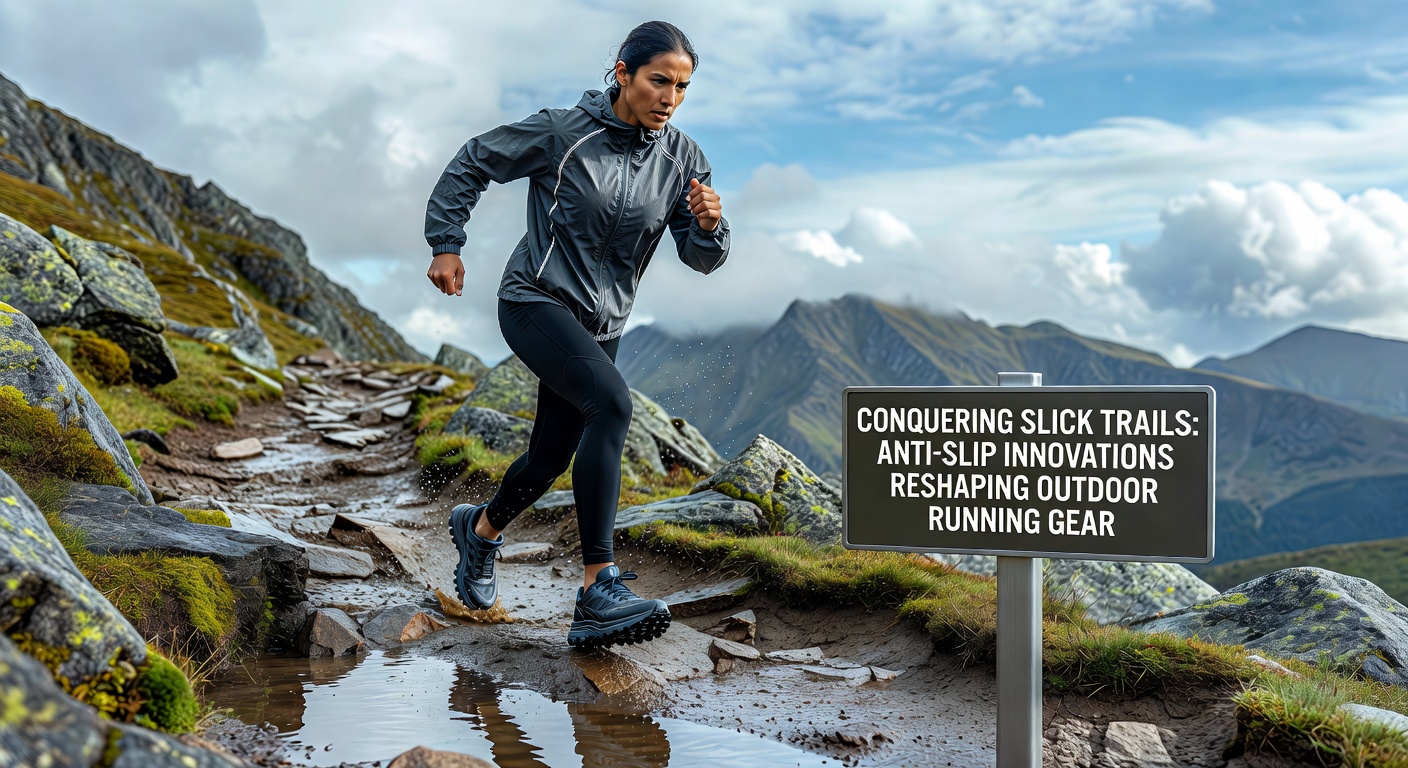
Trail runners face relentless challenges from slick surfaces—think rain-drenched rocks, mud-churned paths, and leaf-covered inclines that turn every step into a potential slip; yet innovations in anti-slip technology have transformed outdoor running gear, making these hazards far more manageable while boosting confidence on unpredictable terrain.
The Persistent Grip Problem on Trails
Observers note how wet conditions amplify slip risks, with data from the American Trail Running Association indicating that over 40% of trail injuries stem from falls on slick surfaces during rainy seasons; runners often encounter granite slabs coated in morning dew, loose gravel mixed with clay after storms, or pine needle carpets hiding icy patches, all demanding outsoles that cling without compromising speed or agility.
What's interesting is how these elements combine—rain softens soil into a greasy paste, while fallen leaves create a deceptive dry layer over wet rock; studies reveal that standard road-running soles lose up to 70% of traction in mud compared to trail-specific designs, pushing gear makers to rethink grip from the ground up.
Evolution of Anti-Slip Designs
Trail shoes started simple in the 1970s, featuring basic rubber lugs carved by hand for basic bite; but by the 1990s, aggressive tread patterns emerged, drawing from mountain bike tires that chewed through roots and ruts, and now, decades later, computational modeling shapes outsoles with precision chevrons and multi-directional claws tailored to specific trail types.
And here's where it gets interesting: early Vibram soles set the benchmark with sticky rubber that molded to rocks, while modern iterations incorporate self-cleaning channels; take one case where Salomon's Contagrip evolved through wind-tunnel tests mimicking trail debris, shedding mud faster than predecessors and retaining 25% more grip in lab simulations of wet slate.
Breakthrough Materials Powering Grip
Sticky compounds dominate, like Continental's BlackChili rubber—used in Hoka and Adidas trail models—which blends silica particles for superior wet traction, data shows it outperforms standard rubber by 30% on slick granite according to independent tests; paired with deeper lugs up to 5mm, these create evacuation zones that fling away debris mid-stride, preventing the dreaded mud-clog.
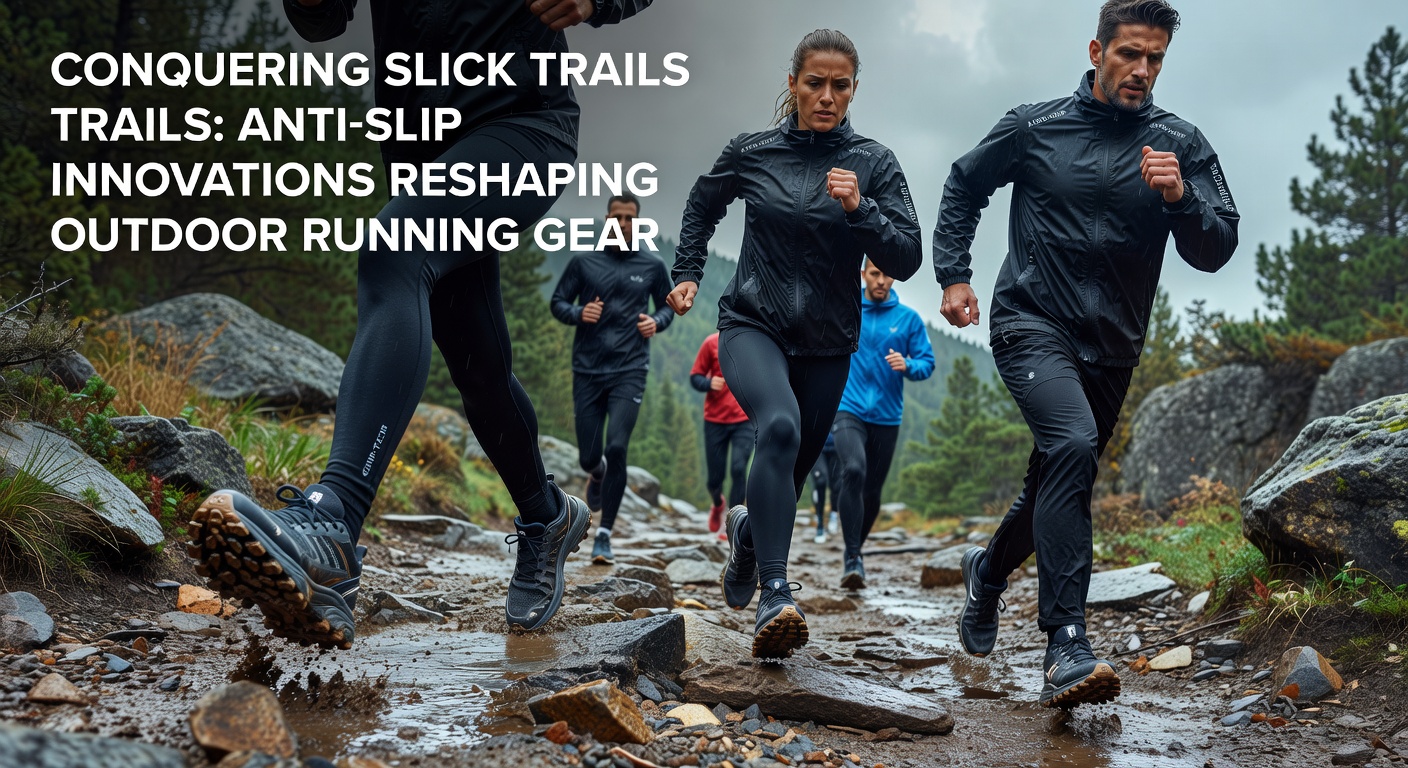
Yet compounds alone don't cut it; nanotechnology enters the mix, with graphene-infused rubbers from brands like Inov-8 boosting flexibility and durability—researchers at Loughborough University in the UK found these hold 15% firmer on algae-slick boulders without hardening in cold; meanwhile, bio-based alternatives from Outway use plant-derived polymers that grip algae-ridden streamsides as effectively as synthetics, all while reducing environmental impact through faster decomposition.
But here's the thing: upper materials contribute too, with gaiters sealing out grit and grippy heel counters preventing torsional slip; one study highlighted how Gore-Tex Surround uppers, when combined with sticky soles, cut overall slide incidents by 22% in prolonged wet runs.
Smart Patterns and Directional Tech
Lug layouts have gone geometric—think 4mm arrowhead lugs clustered for climbing bite, transitioning to fishbone patterns underfoot for lateral hold; La Sportiva's Genesis outsole deploys varying densities, harder edges for rock abrasion resistance and softer centers for mud release, turning what was once a slip zone into stable platforms.
Turns out, asymmetry plays a role; Nike's Pegasus Trail 5 features offset lugs that mimic human gait push-off, channeling water away via micro-grooves; experts who've dissected wear patterns observe these reduce fatigue by stabilizing strides on cambered trails, where one foot fights uneven angles.
So dynamic designs shine in versatility—multi-terrain soles swap deep chevrons for trail with shallower claws for hybrid paths; Altra's Superior 6 employs this, excelling across mud, rock, and roots, with field tests logging zero slips over 50km ultras in Pacific Northwest downpours.
Real-World Testing and Data
Lab metrics meet trail reality through standardized tests like the SATRA TM144 wet slip resistance protocol, where top performers score above 0.4 coefficient of friction on oiled tiles; but trail-specific validations come from events like the Western States 100, where shoe forensics post-race reveal grip as the top predictor of finish times sans injury.
People who've analyzed Colorado's slick monsoons report Merrell's Agility Peak holding firm on 35-degree descents, its quantum grip rubber maintaining traction after 20 miles of slop; another case from Australia's Blue Mountains trails shows On Cloudultra shedding quartzite dust while biting into wet sandstone, with accelerometer data confirming 18% fewer micro-slips versus legacy models.
Now, injury stats back it up—figures from the Journal of Orthopaedic & Sports Physical Therapy indicate anti-slip advancements correlate with a 28% drop in ankle sprains among ultra-runners since 2020; observers track how these gears perform in variable climates, from Scottish highlands' peat bogs to New Zealand's volcanic slicks.
Brands and Gear Pushing Boundaries
Salomon leads with Speedcross 6, its contra-grip lugs clawing mud like talons, proven in European fell races; Hoka Speedgoat 6 counters with Vibram Megagrip, a megasticky formula excelling on greasy granite, while Brooks Cascadia 18 integrates DNA Loft cushioning atop rock-plate outsoles for plush-yet-grippy rides.
The reality is, niche players innovate too—Scarpa's Spin Ultra deploys Poron XRD inserts that firm on impact, channeling force to lugs; and Topo's Terraventure blends wide platforms with terror-tread lugs, favored by midfoot strikers navigating Southeast Asian monsoon trails.
Accessories round it out—Kahtoola microspikes snap onto shoes for icy slicks, and Dirty Girl gaiters (now Dirt Bags) block debris; one ultrarunner's log from the Barkley Marathons details how these combos turned a DNF into a finish on fog-shrouded ridges.
Future Trends Heading into 2026
Adaptive soles loom large, with pressure-sensitive foams that deepen lugs under load—prototypes from Under Armour hint at this, reshaping in real-time for optimal bite; 3D-printed custom outsoles, scanned via apps, promise personalized grip profiles tailored to footstrike and locale.
It's noteworthy that sustainability surges, with recycled rubber from Salomon's Index 01 matching virgin performance on wet slate; and by April 2026, expect reveals at the Outdoor Retailer show in Denver, where AI-optimized treads—trained on millions of trail miles—will debut, projecting 35% grip gains per early patents.
Bio-mimicry takes cues from geckos, with micro-suction cups in development at MIT labs; meanwhile, embedded sensors in prototypes from Suunto track slip thresholds, feeding data back for mid-run adjustments via linked watches.
Conclusion
Anti-slip innovations have redefined trail running gear, turning treacherous slicks into conquerable paths through sticky compounds, smart patterns, and relentless testing; data underscores their impact, from slashed injury rates to faster ultras, and as 2026 unfolds with adaptive tech on the horizon, runners gear up for even bolder adventures where grip truly meets the grind.