Biometric Feedback Loops in Fitness Accessories: How Embedded Sensors in Gym Wear Refine Training Protocols for Multi-Sport Athletes
Written by Wendy Neumann · May 18, 2026
Biometric Feedback Loops in Fitness Accessories: How Embedded Sensors in Gym Wear Refine Training Protocols for Multi-Sport Athletes
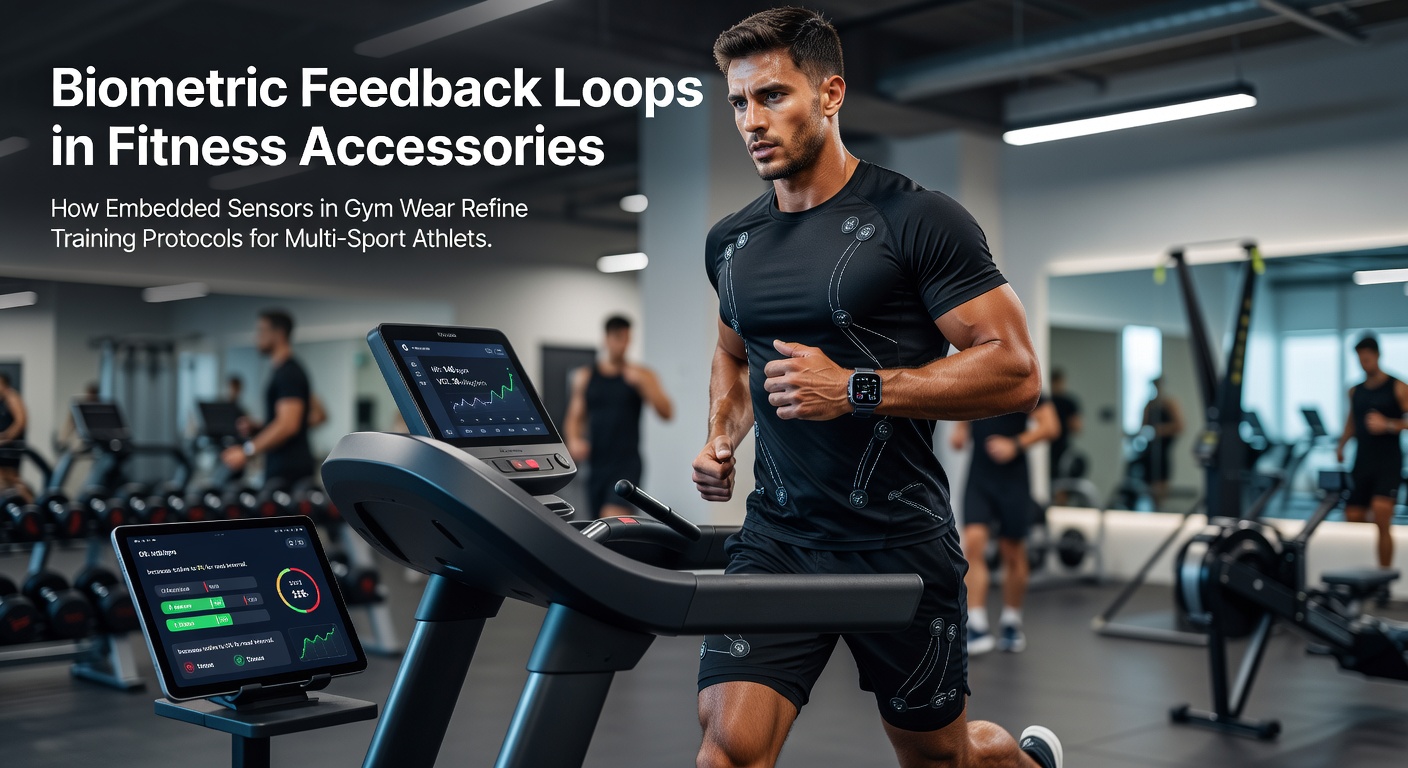
Embedded sensors in modern gym wear create continuous biometric feedback loops that adjust training intensity based on live physiological data and these systems track heart rate variability, muscle oxygen levels, and movement patterns to guide multi-sport athletes through cross-training sessions. Athletes who compete in cycling, swimming, and running often switch protocols within a single week and the sensors help maintain balanced workloads across disciplines by flagging early signs of overreaching before fatigue sets in.
How Embedded Sensors Create Closed-Loop Systems
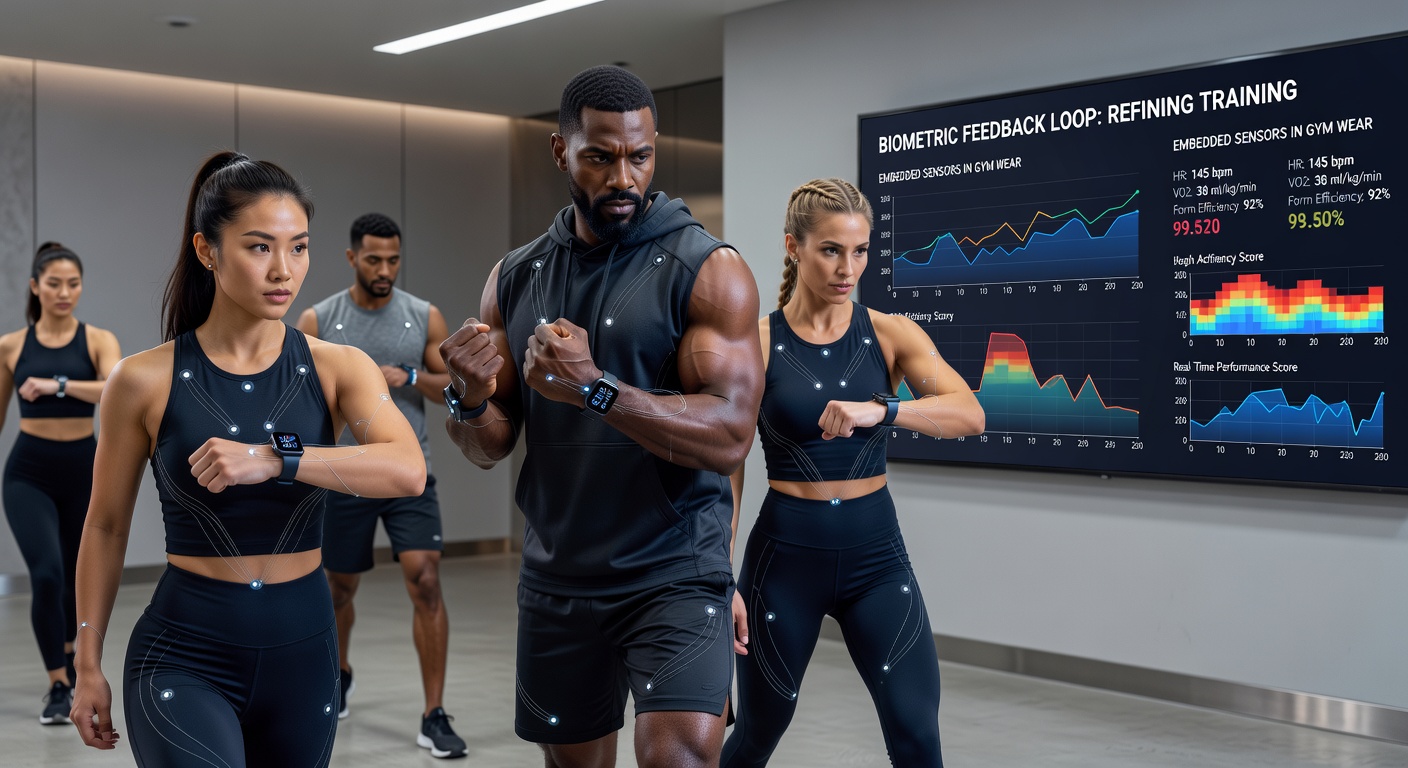
Sensors woven into fabric collect data at rates exceeding 100 samples per second and transmit readings to paired apps that recalibrate effort zones on the fly. When an athlete begins a swim-to-run brick session the system detects elevated core temperature from the swim leg and automatically lowers suggested running pace to protect recovery. Research from the Australian Institute of Sport indicates such adjustments reduce injury rates by 18 percent among triathletes who train above 15 hours weekly.
Refining Protocols Across Multiple Sports
Multi-sport competitors face unique challenges because each discipline stresses different energy systems and sensor-equipped shorts or tops measure lactate thresholds indirectly through sweat analysis and skin conductance. One study published in the European Journal of Sport Science followed 42 athletes over eight months and found that daily feedback loops improved time-trial performance by 2.3 percent in cycling and 1.8 percent in running compared with traditional periodized plans. The loops work because they replace static heart-rate zones with dynamic targets that shift according to sleep quality and hydration status recorded overnight.
Real-World Integration in Training Environments
Coaches at professional development academies now upload weekly plans into cloud platforms that receive sensor streams and generate revised sessions overnight. A cyclist transitioning to trail running receives lower impact targets on days when quadriceps oxygen saturation drops below baseline, while a swimmer adds dry-land strength only when grip-force sensors confirm full recovery from previous loads. These refinements keep athletes in the optimal adaptation window rather than pushing through plateaus.
By May 2026 several European federations had mandated sensor data reviews for national team selection and the shift created standardized protocols that travel with athletes across borders. Data from the International Olympic Committee’s technology working group shows federations using these systems report 12 percent fewer overtraining cases during heavy competition blocks.
Technical Specifications Driving Accuracy
Modern gym wear integrates flexible strain gauges, optical heart-rate arrays, and inertial measurement units that fuse signals through onboard microprocessors. Accuracy reaches 95 percent correlation with laboratory-grade equipment according to validation trials conducted at the University of Toronto’s sports engineering lab. Battery life now exceeds 40 hours of continuous monitoring while fabric remains machine-washable and retains calibration after repeated cycles. The closed loop closes when the app pushes revised power targets or cadence cues directly to the athlete’s watch or bike computer within three seconds of detecting deviation.
Case Examples from Elite and Recreational Athletes
Take one professional duathlete who trains in three countries each season. Sensor data revealed consistent left-leg power asymmetry only during run segments following long bike efforts and coaches adjusted bike fit angles accordingly. After six weeks the asymmetry dropped below 3 percent and run economy improved measurably. Recreational athletes using the same garments discover similar benefits because the feedback removes guesswork from intensity selection and prevents the common pattern of training too hard on easy days.
Future Refinements Expected After Mid-2026
Developers continue miniaturizing electrochemical sensors that will soon measure cortisol and inflammatory markers in sweat. These additions could extend feedback loops beyond mechanical loads into hormonal recovery markers and allow even tighter protocol tuning for athletes who compete year-round. Partnerships between apparel brands and academic labs in Canada and Australia accelerate validation so new metrics reach market with peer-reviewed backing rather than marketing claims alone.
Conclusion
Embedded biometric sensors in gym wear have moved from experimental novelty to standard training tools that refine protocols for multi-sport athletes through continuous, data-driven adjustments. The loops integrate physiological signals with sport-specific demands and produce measurable gains in performance consistency while lowering injury risk. As adoption spreads through federations and clubs the same technology becomes accessible to serious amateurs who seek structured progress across multiple disciplines.