Bio-Inspired Surface Textures Revolutionize Grip Consistency for Multi-Sport Athletes
Written by Sam Lange · Aug 6, 2026
Bio-Inspired Surface Textures Revolutionize Grip Consistency for Multi-Sport Athletes
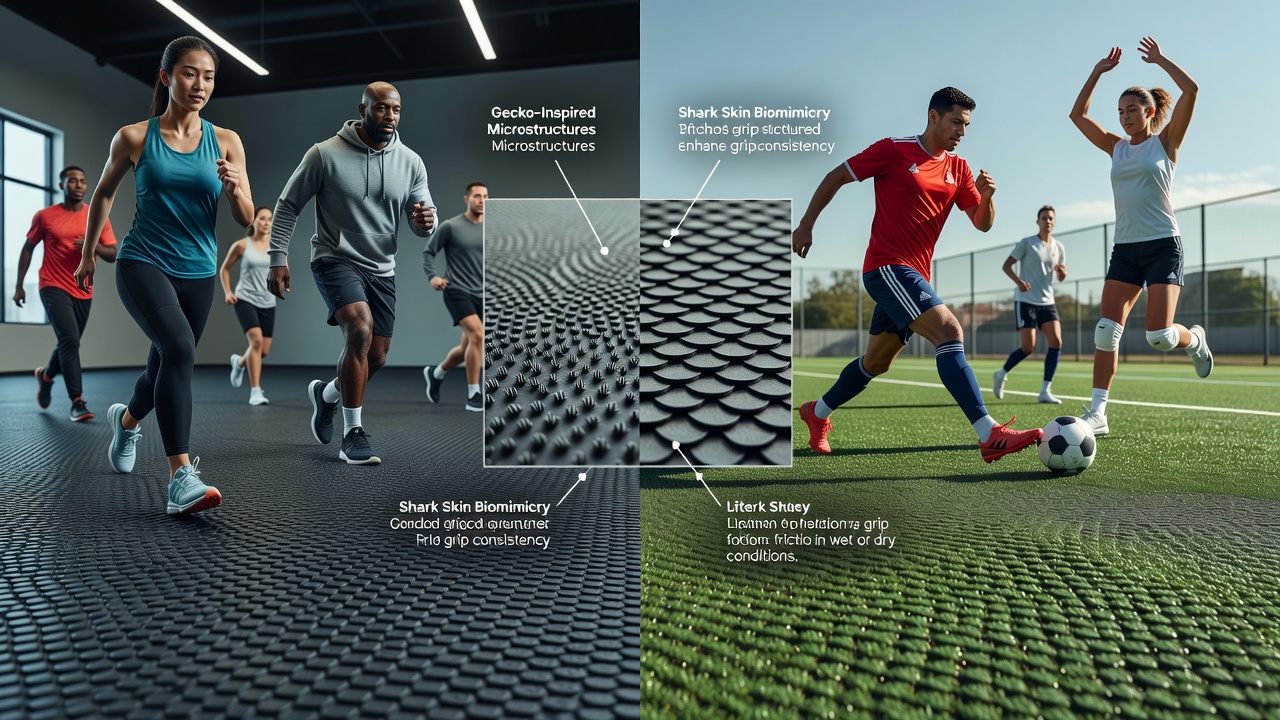
Researchers have turned to nature for solutions that improve traction on both indoor gym floors and outdoor playing fields, and the approach draws directly from structures found in gecko feet, tree frog toes, and shark skin denticles. These patterns create micro-scale ridges and channels that increase contact area while channeling away moisture or debris, which helps maintain consistent grip regardless of surface conditions. Studies in materials science show that such textures can reduce slip rates by measurable percentages across varied athletic environments, and multi-sport participants benefit when facilities adopt these designs for training versatility.
Nature's Grip Mechanisms Translated to Sports Surfaces
Engineers replicate the adhesive properties of gecko setae through polymer arrays that conform to floor irregularities, while frog-inspired channels expel water to preserve friction during sweaty indoor sessions or rainy outdoor matches. Data from surface testing laboratories indicate these features perform reliably on hardwood courts, rubberized tracks, and artificial turf, where traditional smooth finishes often lose effectiveness under dynamic loads. Observers note that athletes switching between basketball, soccer, and volleyball experience fewer traction-related interruptions when floors incorporate these layered patterns, since the textures adapt to different shoe sole compounds without requiring equipment changes.
Indoor Applications on Gym Floors
Facilities managers have installed bio-mimetic flooring in multi-purpose gyms where basketball lines overlap with volleyball courts and weight training zones. The textures maintain grip consistency even as humidity fluctuates or cleaning residues accumulate, according to performance metrics collected by university biomechanics programs. Research indicates that micro-ridges spaced at 50 to 200 micrometers reduce lateral slippage during cutting movements, which supports safer transitions for athletes who train across several disciplines in a single session. In August 2026 several North American recreation centers plan to expand these installations after pilot programs demonstrated lower incident rates on treated surfaces compared with standard coatings.
Outdoor Field Adaptations for Variable Conditions
Playing fields face additional challenges from soil compaction, grass wear, and precipitation, yet bio-inspired overlays applied to synthetic turf or hybrid grass systems address these variables through self-cleaning channels that shed mud and water. Field studies conducted by agricultural and engineering teams in Australia reveal that denticle-like protrusions on base layers improve ball control and player footing simultaneously, particularly during rapid direction changes in field hockey or lacrosse. Multi-sport athletes report more predictable traction when moving from dry practice sessions to wet game conditions, since the surface patterns prevent the buildup that commonly affects untreated pitches. Equipment suppliers have begun integrating similar textures into portable training mats used for cross-country and track events, extending the technology beyond fixed installations.
Performance Data Across Multiple Sports
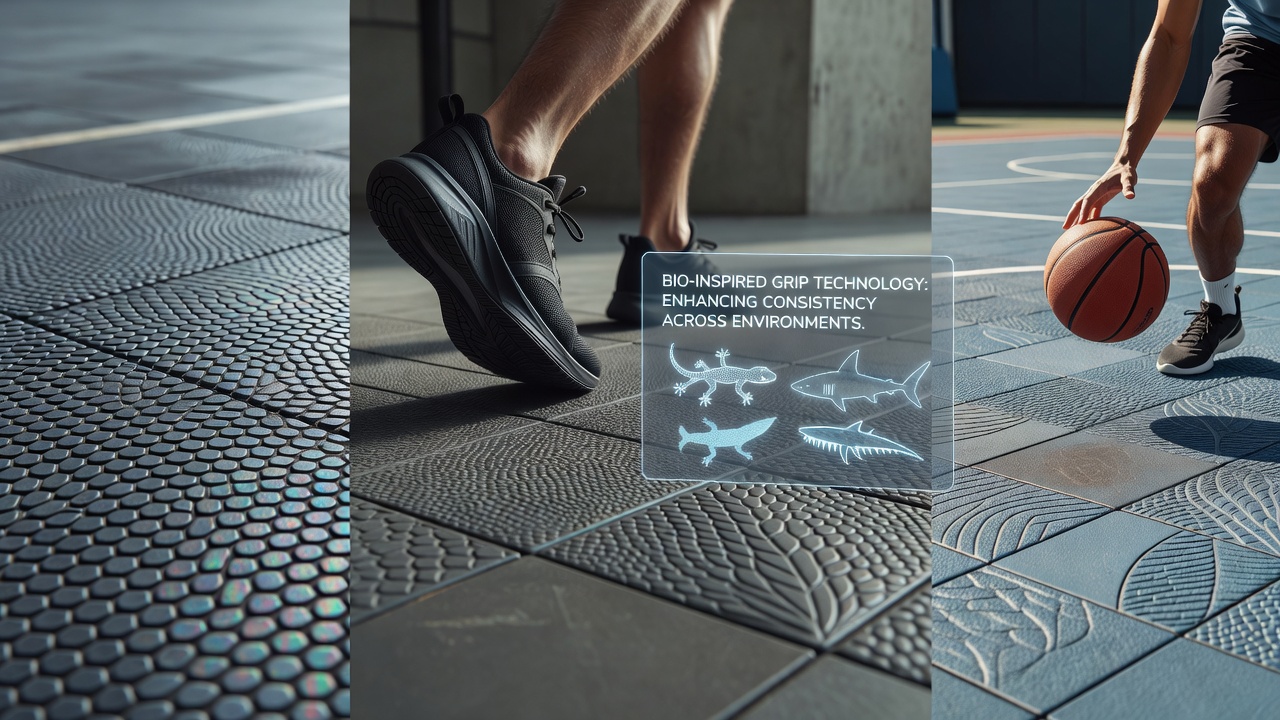
Comparative trials organized by sports engineering consortia show that athletes achieve higher consistency scores in agility drills on textured surfaces, with slip events dropping notably during prolonged activity. Figures compiled by Canadian research institutions highlight advantages for participants who rotate through indoor weight rooms and outdoor pitches, because the same footwear performs effectively without mid-session adjustments. These outcomes stem from the way natural patterns distribute pressure evenly, which preserves energy and reduces fatigue-related grip loss over extended training blocks. Facilities that combine both environments see athletes maintain technique longer, since the surfaces respond similarly to foot strikes whether under roof or open sky.
Manufacturing and Maintenance Considerations
Production methods now allow large-scale application of these textures through embossing rollers and additive layering, keeping costs competitive with conventional resurfacing projects. Maintenance crews find that the patterns resist wear from repeated cleaning cycles and UV exposure, which extends service life on both gym floors and outdoor fields. Industry reports from European testing centers confirm durability metrics that support year-round use without performance degradation, making the approach practical for schools and clubs serving diverse athletic programs. Integration with existing underlayment systems further simplifies upgrades, allowing older facilities to adopt the technology during routine renovations.
Conclusion
Bio-inspired surface textures continue to expand across athletic infrastructure because they deliver measurable improvements in grip consistency for athletes who compete or train in multiple sports. Continued refinement of pattern scales and material combinations promises further gains, while ongoing field evaluations track long-term effects on injury rates and performance metrics. Facilities adopting these designs position themselves to support broader participation without compromising safety or play quality across indoor and outdoor settings.