Adjustable Strap Configurations in Load-Bearing Vests for Prolonged Outdoor Expeditions Involving Multiple Activity Types
Written by Mia Lehmann · Jun 20, 2026
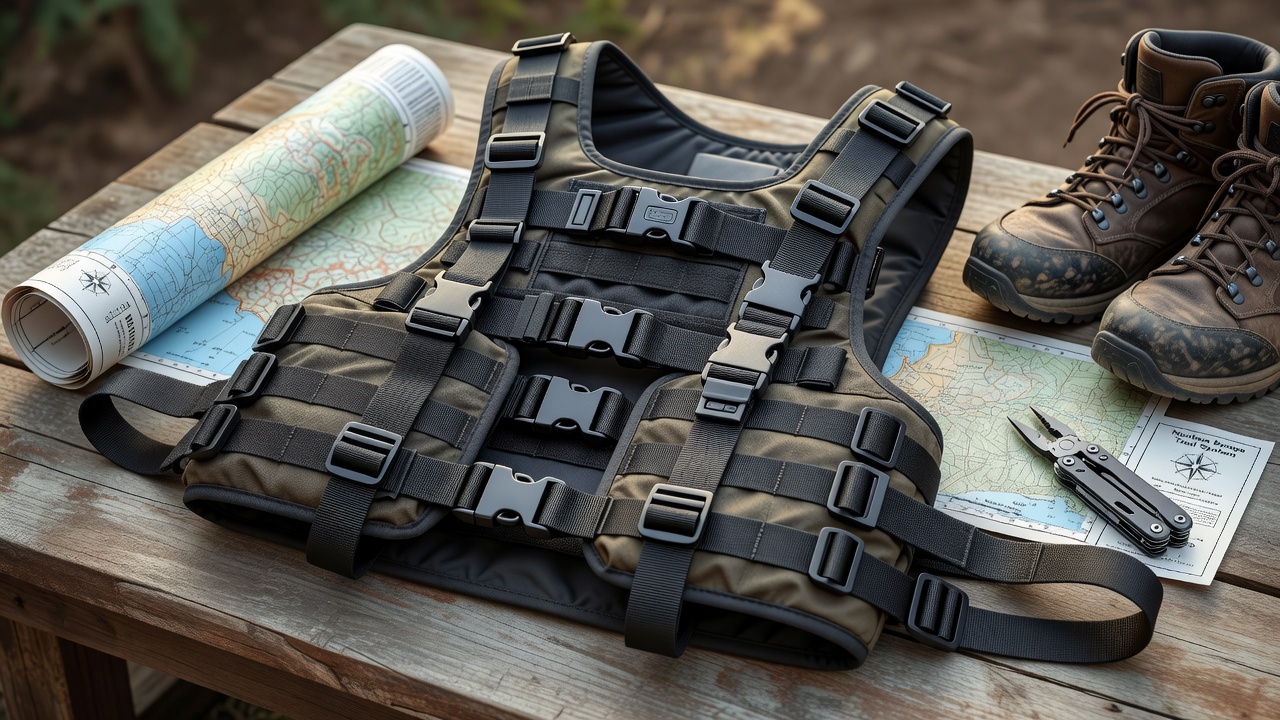
Adjustable Strap Configurations in Load-Bearing Vests for Prolonged Outdoor Expeditions Involving Multiple Activity Types
Load-bearing vests rely on adjustable strap systems that accommodate shifting loads across extended periods, and these configurations support transitions between hiking, climbing, paddling, and similar pursuits without requiring complete gear changes. Researchers have documented how different strap arrangements affect weight distribution, with data from field tests showing reduced pressure points when straps allow independent tension adjustments at the shoulders, sternum, and waist.
Core Strap Arrangements and Their Mechanics
Parallel shoulder straps form one basic setup, yet crossed or X-pattern designs connect the load more directly to the hips and observers note these patterns often stabilize heavier packs during dynamic movements like scrambling or river crossings. Sternum straps add a horizontal element that prevents shoulder slippage, while load-lifters running from the top of the pack to the shoulder harnesses permit fine-tuning of the center of gravity as conditions change throughout a day.
Multiple activity types introduce varying demands on the same vest, so manufacturers incorporate sliders, buckles, and cam locks that permit rapid reconfiguration. Studies conducted by researchers at the University of British Columbia have examined how these mechanisms maintain even pressure across the torso when users switch from flat trail hiking to technical ascents, and the findings indicate consistent strap tension reduces muscle fatigue over distances exceeding 20 kilometers.
Adaptations for Specific Expedition Demands
Prolonged expeditions that combine several activities require vests where straps can be loosened for ventilation during high-exertion segments and then tightened for stability when carrying additional equipment such as climbing ropes or paddles. Y-shaped harnesses that converge at a central sternum point allow one-handed adjustments, which proves useful when users need to modify fit while moving or wearing gloves. Data collected during multi-day treks shows that vests with modular attachment points for side compression straps further secure irregular loads that arise when combining activities like backpacking and kayaking on the same route.
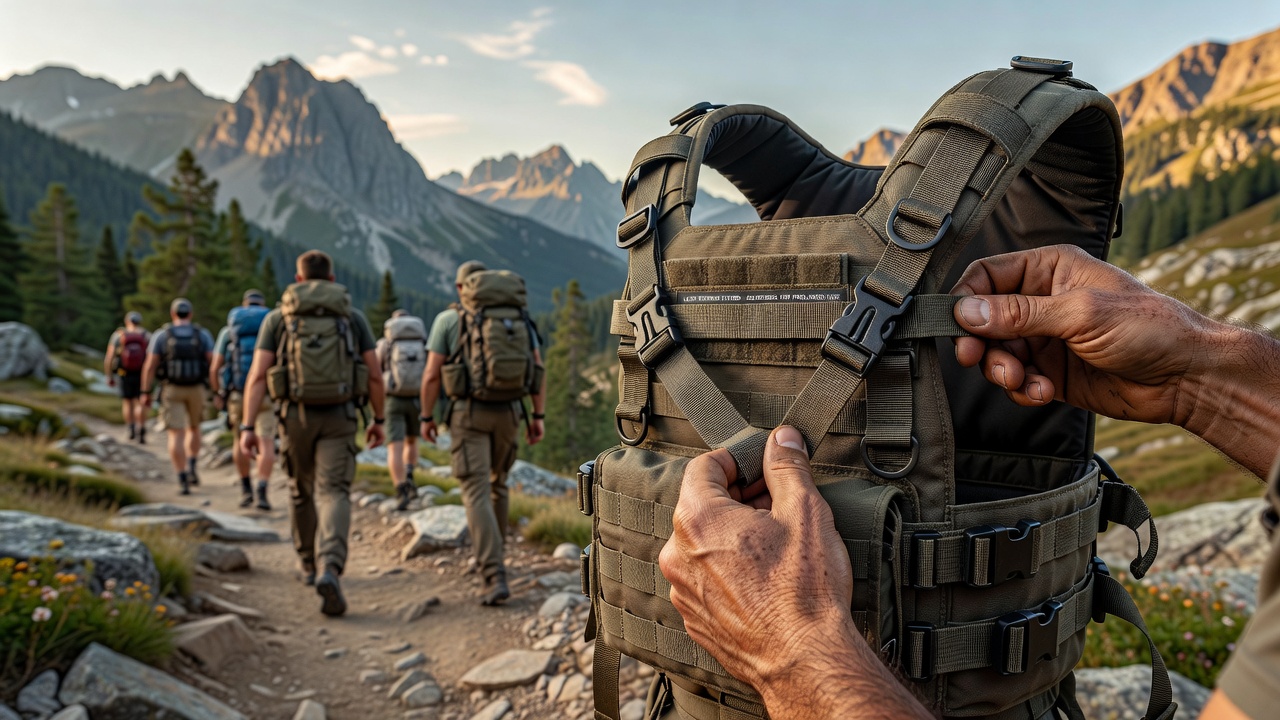
Body morphology differences among users also influence strap performance, and adjustable lengths at multiple points accommodate a range of torso proportions without custom fabrication. In June 2026, updated ergonomic guidelines from the European Committee for Standardization highlighted the importance of strap width and padding placement in preventing chafing during sustained wear, and manufacturers have responded by integrating wider load-bearing surfaces that disperse weight more evenly across the trapezius and latissimus areas.
Material and Hardware Considerations
Straps themselves incorporate high-tenacity nylon or polyester webbing paired with corrosion-resistant hardware, and these combinations withstand repeated exposure to moisture, UV radiation, and abrasion common in outdoor environments. Quick-release buckles enable complete removal or loosening in emergency situations, while ladder-lock adjusters provide incremental tension control that maintains settings across activity changes. Evidence from durability testing indicates that reinforced bartack stitching at stress points extends service life when vests undergo daily adjustments over weeks of continuous use.
Integration with other vest components, such as hydration sleeves and tool attachments, depends on strap routing that avoids interference with access points. Those who have studied multi-sport usage patterns report that routing shoulder straps outside of side pockets preserves quick access to water bottles or navigation devices during transitions between activities.
Conclusion
Adjustable strap configurations represent a functional element in load-bearing vests engineered for extended expeditions that span multiple activity types, and ongoing refinements in hardware and webbing continue to address the practical requirements of weight distribution and fit flexibility. Research from various institutions supports the value of these systems in maintaining user comfort and load stability across diverse conditions.