Adaptive Cushioning Layers Respond to Terrain Changes in Mountain Ultramarathon Footwear
Written by Otto Perry · Jun 18, 2026
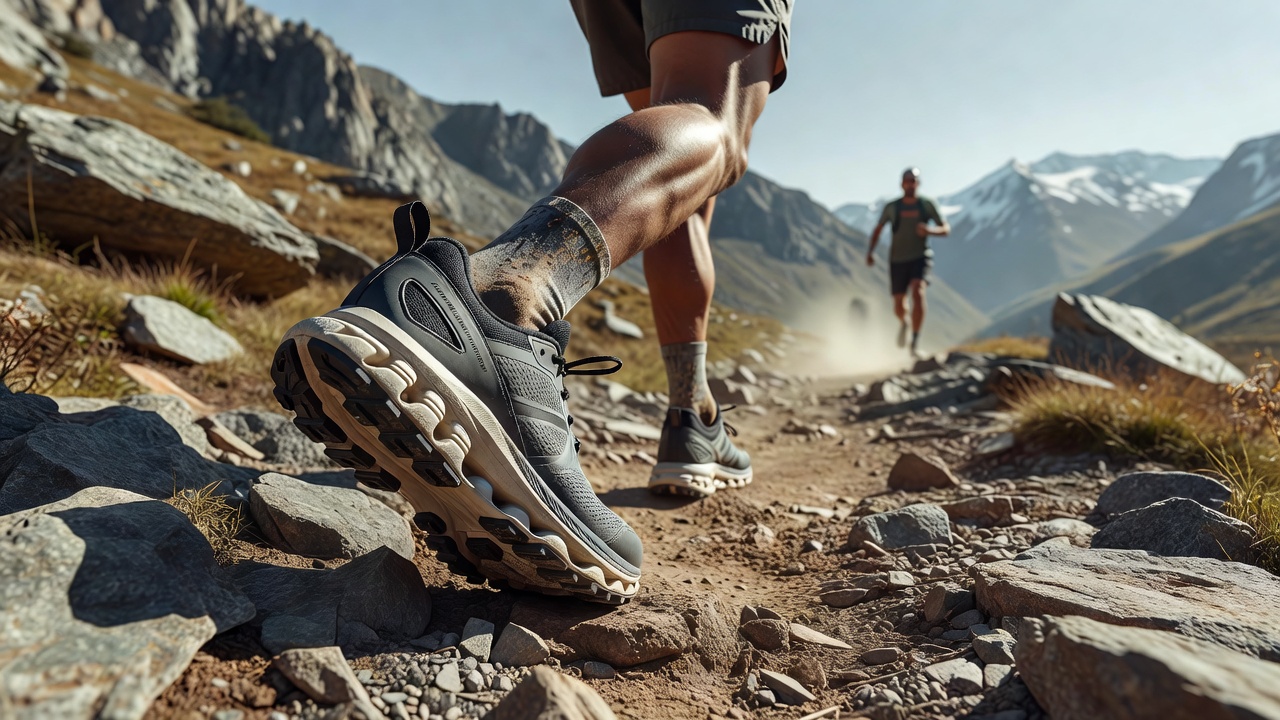
Adaptive Cushioning Layers Respond to Terrain Changes in Mountain Ultramarathon Footwear
Trail running footwear incorporates adaptive cushioning layers that adjust density and support based on real-time terrain inputs during extended ultramarathon events across mountainous regions, where elevation changes and surface variations occur rapidly over distances exceeding 100 kilometers. These systems integrate mechanical sensors with responsive foams or fluid-filled chambers that compress or expand according to pressure distribution from foot strikes on rock, soil, snow, or loose gravel. Manufacturers have refined these technologies through iterative testing on routes like those in the Alps and Rockies, where athletes encounter mixed conditions within single stages of races.
Core Components and Material Responses
Multiple layers form the adaptive structure, with an outer midsole often containing viscoelastic polymers that stiffen under high-impact loads while softening on compliant surfaces to maintain energy return. Embedded micro-channels filled with shear-thickening fluids alter viscosity when sudden shifts in terrain demand altered shock absorption, and data from instrumented prototypes shows response times under 50 milliseconds. Researchers at institutions such as the University of Innsbruck have documented how these adjustments reduce peak forces transmitted to joints during prolonged descents and ascents, with measurements taken across repeated trials on graded trails.
Upper constructions complement the cushioning through flexible overlays that allow natural foot splay without restricting the adaptive base. Ventilation patterns integrated into the design prevent moisture buildup that could otherwise affect layer performance during multi-hour efforts in variable weather. Industry reports indicate that adoption of these features increased notably ahead of major events scheduled for June 2026 in the Canadian Rockies, where course profiles feature sustained elevation gains exceeding 3000 meters combined with technical singletrack sections.
Performance Data from Mountain Events
Event organizers and equipment testers have recorded stride metrics showing that runners using adaptive systems maintain more consistent cadence across transitions from packed dirt to boulder fields compared with fixed-cushion models. A study coordinated through the Australian Institute of Sport tracked participants over 80-kilometer loops and found measurable reductions in muscle fatigue markers when layers responded dynamically to surface compliance changes. These outcomes align with broader observations from European trail circuits, where similar footwear has appeared in starting corrals for races emphasizing vertical gain.
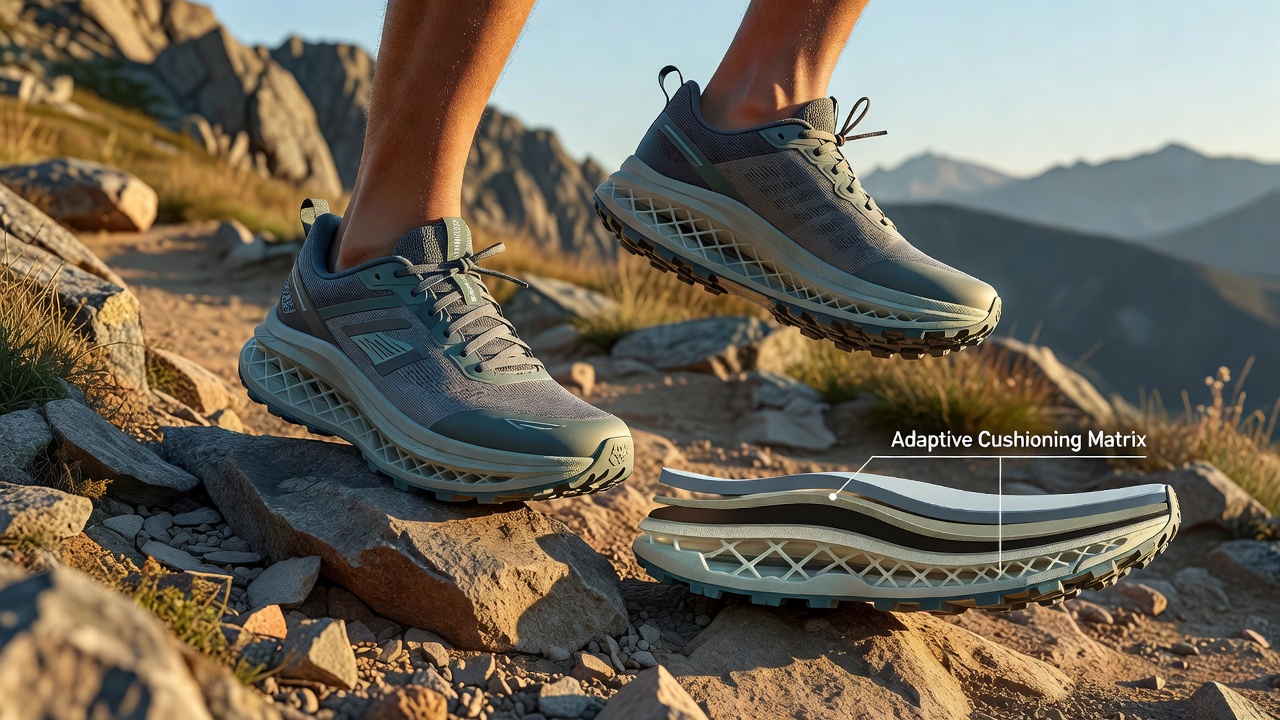
Maintenance protocols for such footwear emphasize periodic inspection of sensor ports and fluid integrity, particularly after exposure to abrasive grit common in high-altitude environments. Replacement cycles for the adaptive components typically fall between 400 and 600 kilometers of mixed-terrain use, according to manufacturer specifications derived from field monitoring programs. Athletes preparing for June 2026 events have incorporated terrain-specific drills that simulate rapid surface changes to calibrate personal expectations of how the layers interact with individual gait patterns.
Integration with Broader Footwear Systems
Outsole lugs molded from abrasion-resistant rubber compounds work in tandem with the internal cushioning, providing traction points that remain effective while the upper layers modulate support. Traction mapping conducted on representative mountain substrates demonstrates that adaptive midsoles do not compromise grip when the foot encounters angled rock faces or wet root sections. Supply chain analyses from trade associations note that production of these integrated units relies on precision molding techniques refined over the past decade, enabling consistent performance across batch variations.
Biomechanical feedback collected via wearable accelerometers has informed iterative design updates, revealing how layer responsiveness influences propulsion efficiency during climbs. Observers at training camps in the Pyrenees report that runners often adjust lacing tension to optimize contact with the adaptive zones, a practice that complements the material behavior without requiring electronic intervention. This mechanical approach keeps weight low, an important factor for events spanning 24 hours or more of continuous movement.
Conclusion
Adaptive cushioning layers continue to evolve through collaboration between material scientists and endurance athletes who test prototypes on actual mountain courses. Evidence from multiple regions indicates these systems address the specific demands of terrain variability in ultramarathons by modulating support in real time. As preparations advance toward June 2026 competitions, the technology remains focused on durability and consistent function across extended distances and elevation profiles.